

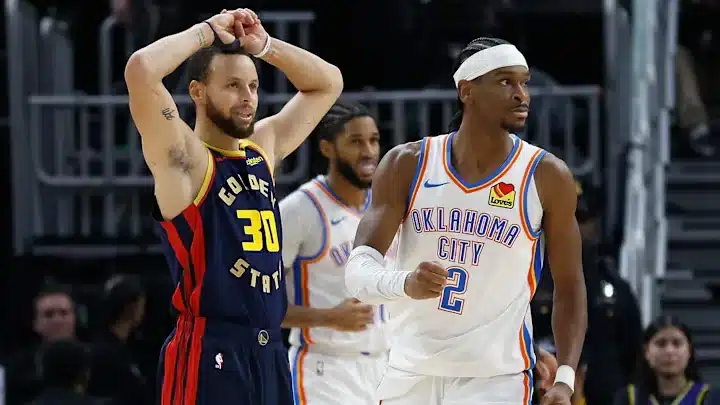
The 2026 NBA All-Star Game, set in Inglewood under the new USA vs. World format, was designed to showcase the league at its most global and most explosive. Instead, injuries quietly rewrote the event’s identity.
What should have been a pure celebration of peak superstardom has evolved into something more layered, a showcase not just of greatness, but of depth. Stephen Curry, Shai Gilgeous-Alexander, and Giannis Antetokounmpo, were all forced out.
And in their place arrived Brandon Ingram, Alperen Şengün, and Kawhi Leonard.
Not lesser stars. But different ones.
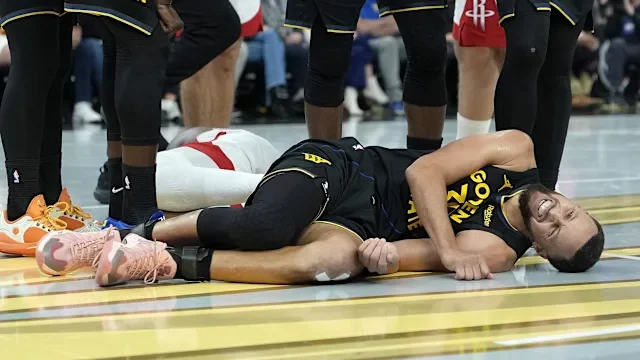
The Loss of Stephen Curry: Gravity Removed from the Floor
Few players shape an All-Star environment the way Stephen Curry does.
Before being ruled out with right knee patellofemoral pain syndrome, Curry was producing another elite offensive season:
- 27.2 PPG
- 4.8 APG
- 39.1% from three (11.5 attempts)
- 93.1% FT
Even at age 37, Curry remained basketball’s most warping offensive engine. His off-ball gravity bends defences in ways that create offense for everyone else, something that becomes even more exaggerated in an All-Star setting built on spacing and pace.
Positive sentiment:
His selection as a starter reaffirmed his sustained excellence and cultural impact. Twelve All-Star selections at this stage signal longevity rarely seen among guards.
Negative sentiment:
But his absence removes the game’s greatest shooting spectacle. No logo threes. No relocation chaos. No rhythmic heat checks that swing momentum in minutes.
Entertainment value takes a measurable hit
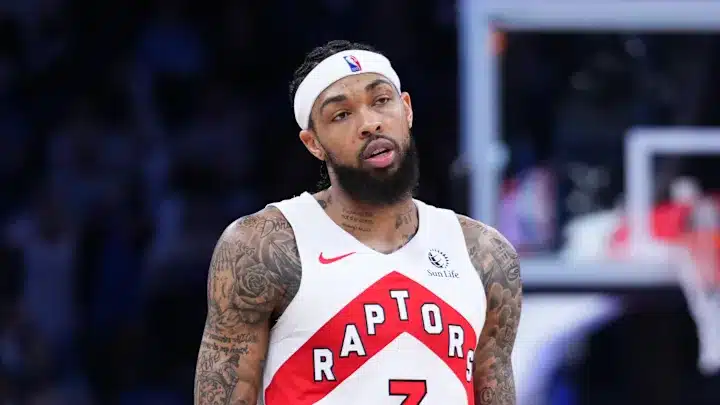
Brandon Ingram Steps In: Smooth Scoring, Different Rhythm
Replacing Curry is Brandon Ingram, representing the Toronto Raptors amid a strong team season.
2025-26 Stats:
- 22.0 PPG
- 5.8 RPG
- 3.7 APG
- 47.2% FG | 36.4% 3PT
Ingram’s inclusion reflects both individual consistency and team success, with Toronto sitting firmly in the Eastern playoff picture.
Positive sentiment:
He brings positional size (6’8″), mid-range shot creation, and improved playmaking. His scoring versatility allows him to function across lineups without disrupting flow.
Negative sentiment:
Yet stylistically, he cannot replicate Curry’s offensive gravity. His game is isolation-leaning, methodical, and less explosive from a spectacle standpoint. In a showcase built on tempo, that difference is magnified.
The replacement preserves scoring volume, but not offensive distortion in the All-Star game.
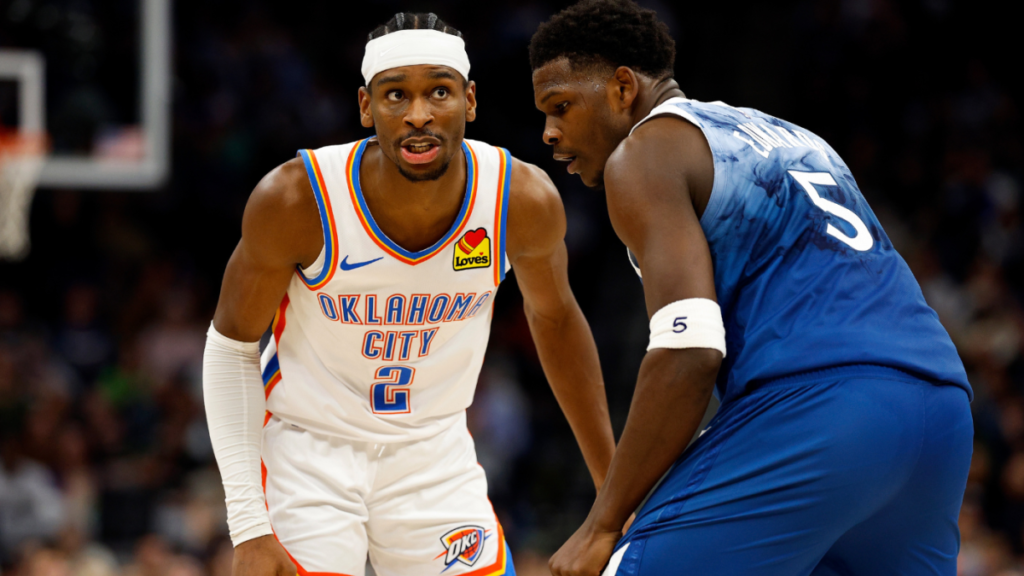
Shai Gilgeous-Alexander’s Exit: An MVP Presence Lost
If Curry’s loss removes shooting gravity, Shai Gilgeous-Alexander’s injury removes rhythm and control.
Before an abdominal strain sidelined him, SGA was producing at an MVP frontrunner level:
- 31.8 PPG
- 6.4 APG
- 55.4% FG
- 39.0% 3PT
His extended 20-point scoring streak and elite efficiency made him one of the season’s defining performers.
Positive sentiment:
SGA’s All-Star start symbolized the league’s evolving guard archetype, long, efficient, methodical scorers who control tempo.
Negative sentiment:
His absence strips the All-Stars Team World of its primary perimeter initiator. Late-game shot creation, foul drawing, and clutch pacing all decline without him.
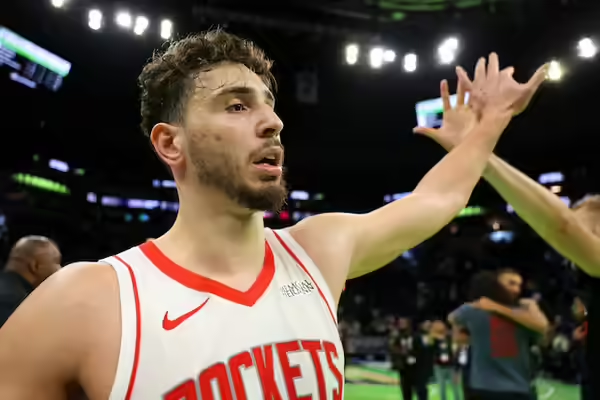
Alperen Şengün: Craft Over Burst
Replacing SGA is Houston’s breakout center, Alperen Şengün.
2025-26 Stats:
- 20.8 PPG
- 9.4 RPG
- 6.3 APG
- 1.4 SPG | 1.0 BPG
Şengün’s selection reflects his evolution into one of the league’s most versatile big men.
Positive sentiment:
His passing vision and post creativity introduce stylistic diversity. Few centers can orchestrate offense through the elbows the way he can. In a global format, his inclusion also strengthens international representation.
Negative sentiment:
However, the replacement alters roster mechanics. Team World loses perimeter shot creation and gains interior facilitation, a shift that may compress spacing and slow pace in the All-Star game.
It is a talent addition, but a stylistic compromise.
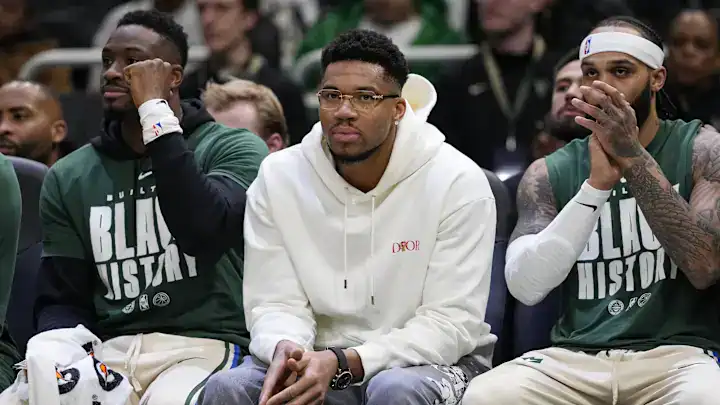
Giannis Antetokounmpo’s Injury: Power Removed
Then came the most physically significant loss: Giannis Antetokounmpo.
Before injury, he was once again dominant:
- 28.0 PPG
- 10.0 RPG
- 5.6 APG
- 64.5% FG
Giannis is arguably the most overwhelming transition force in basketball. His downhill pressure, rebounding, and help defense reshape possessions instantly.
Positive sentiment:
His selection reinforced sustained MVP-tier production and two-way supremacy.
Negative sentiment:
But his absence strips Team World of its interior intimidation and vertical spacing. No player replicates his combination of rim pressure and defensive range.

Kawhi Leonard Replaces Giannis: Precision Over Force
Stepping in is Kawhi Leonard, producing one of the most efficient seasons of his career.
2025-26 Stats (40 GP):
- 27.9 PPG
- 6.3 RPG
- 3.7 APG
- 2.0 SPG
- 49.2% FG | 38.7% 3PT | 91.3% FT
- Positive sentiment:
- Kawhi adds elite two-way balance, perimeter defence, isolation scoring, and late-clock shot making. His efficiency profile fits seamlessly into high-talent lineups.
Negative sentiment:
Yet, like the other replacements, the stylistic shift is noticeable. Kawhi’s methodical tempo contrasts sharply with Giannis’ explosive chaos. The highlight frequency inevitably drops.
Again, production is replaced. Spectacle is not.
A Game Transformed, Not Weakened
Individually, each replacement is deserving:
- Ingram: Scoring wing consistency
- Şengün: Playmaking center evolution
- Kawhi: Elite two-way precision
But collectively, they reshape the event’s identity.
The original trio, Curry, SGA, Giannis, represented motion, burst, and offensive electricity. Their replacements represent control, craft, and efficiency.
Final Reflection
The 2026 All-Star Game has not lost talent. It has lost a certain kind of energy.
Injuries forced the league to pivot from spectacle to substance, from kinetic dominance to calculated excellence.
And in many ways, that contrast makes this year’s game more intriguing.
Because now, the question is no longer just who the stars are, it is what kind of stars they choose to be on basketball’s brightest stage.