


A Career Year, Interrupted
Just as Austin Reaves reached another level, the Lakers are forced to wait.
Austin Reaves’ 2025 season was shaping up to be the clearest statement of his career. Through 23 games, the Lakers guard had taken a noticeable leap, not just statistically, but in responsibility, confidence, and offensive control. That momentum is now on hold.
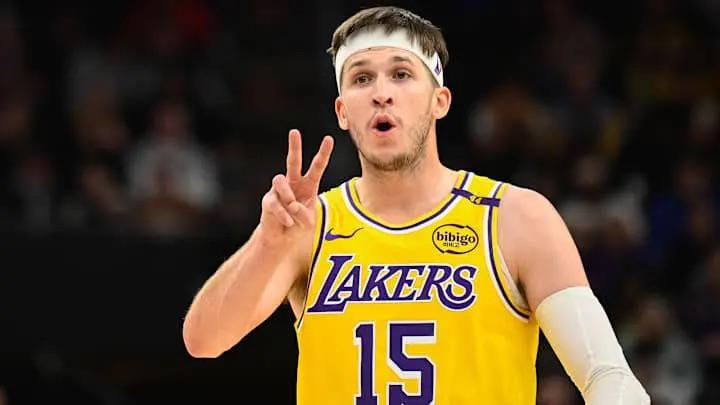
Austin Reaves Injury Broken Down
On Friday, the Lakers announced that Reaves will miss at least four weeks due to a strained gastrocnemius muscle in his left calf. He will be re-evaluated late in January. It marks the second time this month Reaves has dealt with a calf issue, after previously missing three games earlier in December with a similar strain.
The timing is brutal. Reaves has been playing the best basketball of his career, averaging career highs across the board: 26.6 points, 5.2 rebounds, and 6.3 assists per game. He has also been one of the league’s most efficient high-usage guards, shooting 50.7 percent from the field while attempting a career-high 16.2 shots per game.
More importantly, Reaves had become central to how the Lakers function offensively. He wasn’t just a scorer, he was a connector, a secondary creator, and often the stabilizer when possessions broke down. His ability to read defences, draw fouls, and score at all three levels allowed the Lakers to survive offensive droughts and stretch defences in ways few guards on the roster can replicate.
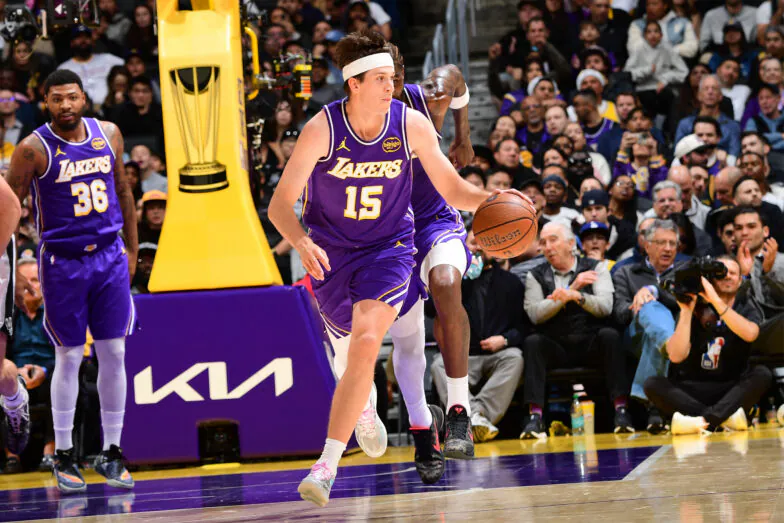
The injury’s progression raised early red flags. After missing time earlier in the month, Reaves returned off the bench and logged 22 minutes in a 132–108 loss to Phoenix on Tuesday. Two days later, he started on Christmas Day against Houston but played only 15 minutes. On Thursday, he scored 12 points but did not appear in the second half of the Lakers’ loss to the Rockets, a clear sign the injury was worsening.
For a player who has built his reputation on durability and availability, the absence is notable. Reaves has played at least 60 games in each of his four NBA seasons entering this year. He appeared in all 82 games last season and played 73 games, all starts, the year before. This season, he started 22 of the 23 games he played, firmly establishing himself as a core piece rather than a complementary option.
Calf injuries are particularly tricky. They are prone to re-aggravation, especially for guards who rely on change of direction, deceleration, and balance, all staples of Reaves’ game. The Lakers’ decision to shut him down for an extended period suggests a long-term approach rather than a short-term gamble, even if it costs them stability in the standings.
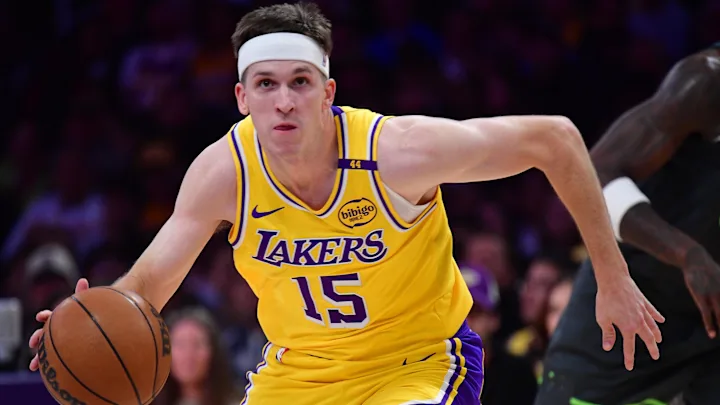
In Reaves’ absence, the Lakers will need to reshuffle responsibilities. Shot creation will become more centralized, playmaking duties will be redistributed, and efficiency may dip without his off-ball gravity and decision-making. His impact doesn’t always show up in isolation highlights, but it consistently reveals itself in lineup data, late-game execution, and spacing quality.
For Reaves, the goal is simple: heal fully and return as the same player, or better. At 27 years old, he is in the middle of his prime, and this season has already proven he is capable of carrying a heavier load than ever before. The breakout is real. It’s just paused.
For now, the Lakers wait. And so does one of the league’s most quietly essential guards.