

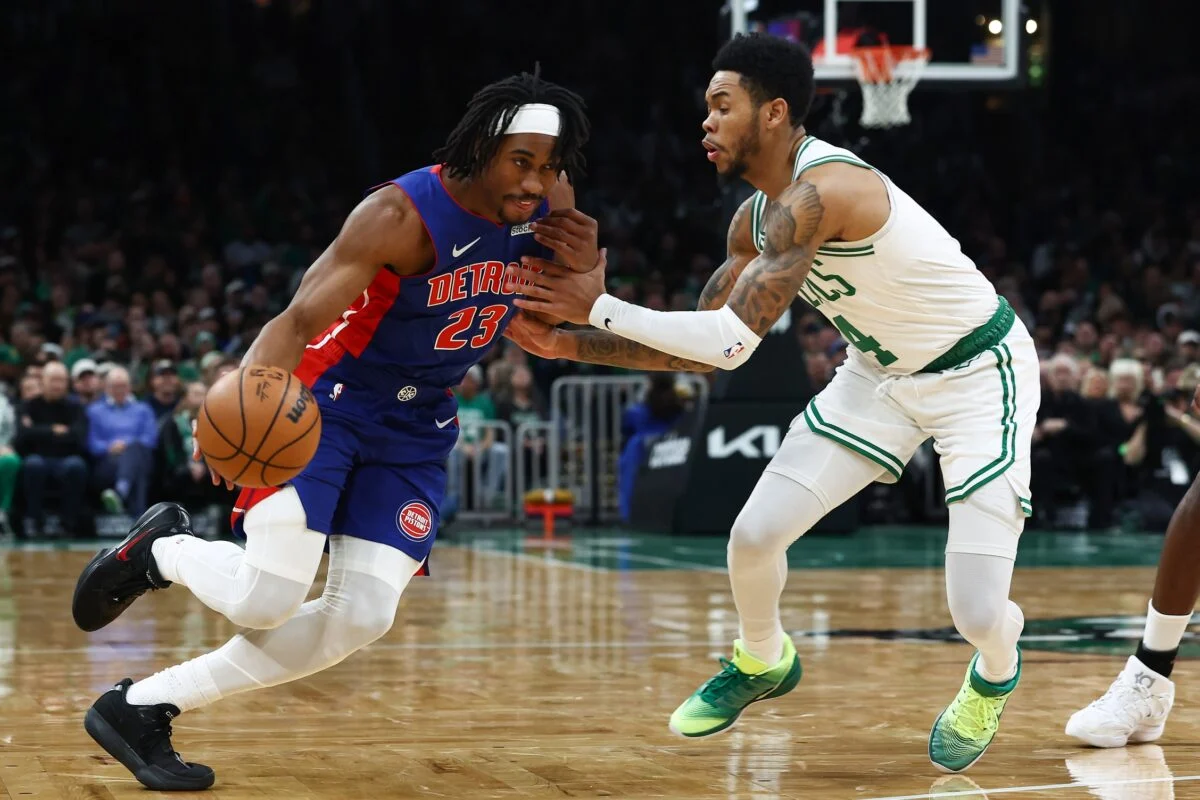
The NBA trade deadline always creates pressure, but February 3 felt different. This was not cautious manoeuvring or quiet asset shuffling. This was urgency. With February 5 looming, front offices finally revealed what they believe their teams truly are: contenders willing to sacrifice tomorrow, or organizations admitting that tomorrow matters more than today.
Three major trades reshaped the league in one day. Each move carried a clear philosophy, a calculated risk, and a subtle message about where the NBA is heading next.
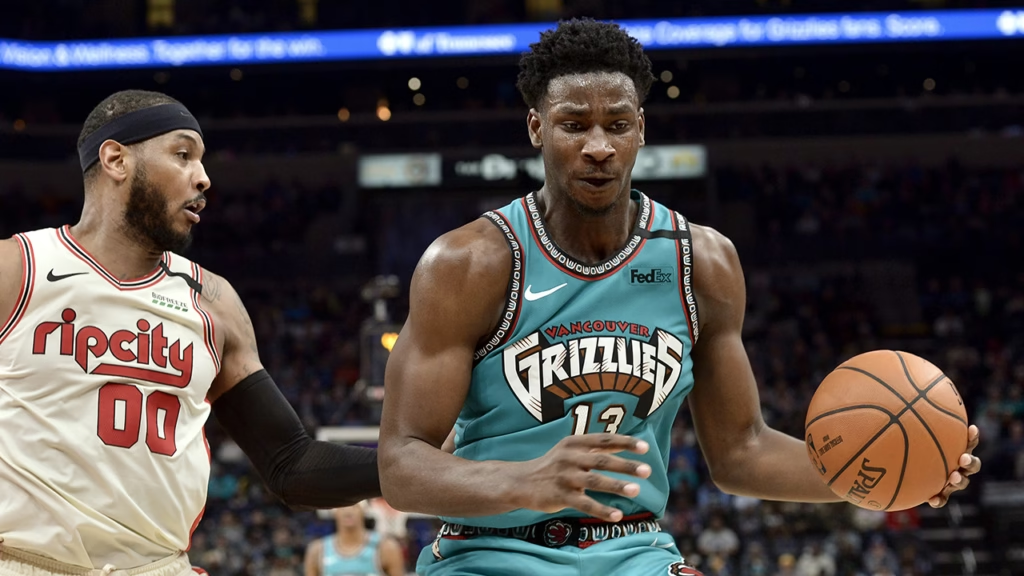
Memphis Pulls the Ripcord, Utah Finds Its Defensive Soul
The most consequential deal of the day came quietly, but its implications are massive. Memphis sent out Jaren Jackson Jr., the backbone of their defence and one of the rarest archetypes in the league, in exchange for youth, flexibility, and future control.
Jackson’s numbers this season, 19.2 points, 5.8 rebounds, and elite rim protection, only tell part of the story. His true value lies in how difficult he is to replace. A former Defensive Player of the Year who can protect the rim and space the floor does not exist in abundance. Utah understands this. Pairing Jackson with their young core instantly gives the Jazz a defensive identity they have lacked since their last true contender.
For Memphis, this trade confirms what many feared: the era is ending. After moving Desmond Bane last summer and now Jackson, the Grizzlies are no longer retooling. They are rebuilding. The draft capital they acquired is significant, and the timeline is clear, but the cost is cultural. Losing a player like Jackson means losing credibility in the short term.
This is the kind of trade that looks painful now and logical later. Whether it becomes brilliant depends on what Memphis does next.
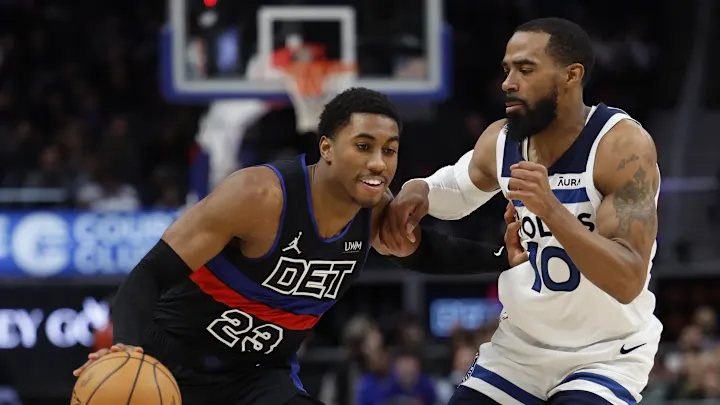
A Three-Team Deal That Screams Financial Reality
The Bulls, Pistons, and Timberwolves executed a trade that may not dominate headlines, but it perfectly captures the modern NBA. Talent matters, but flexibility matters just as much.
Chicago betting on Jaden Ivey is a gamble rooted in hope. His athleticism has been dulled by injuries, and his production has dipped, but the upside still exists. The problem is fit. The Bulls now have a crowded backcourt with overlapping skill sets and no clear hierarchy. This is a buy-low move that only works if patience follows.
Detroit’s return is more pragmatic. Kevin Huerter and Dario Saric provide shooting and experience, and the pick swap adds future leverage. It is not glamorous, but it is functional, which is something Detroit has lacked.
Minnesota’s role tells the real story. By moving Mike Conley’s contract, the Timberwolves bought themselves freedom. Luxury tax relief today becomes star-hunting flexibility tomorrow. This is the kind of move contenders make when they believe something bigger is coming.
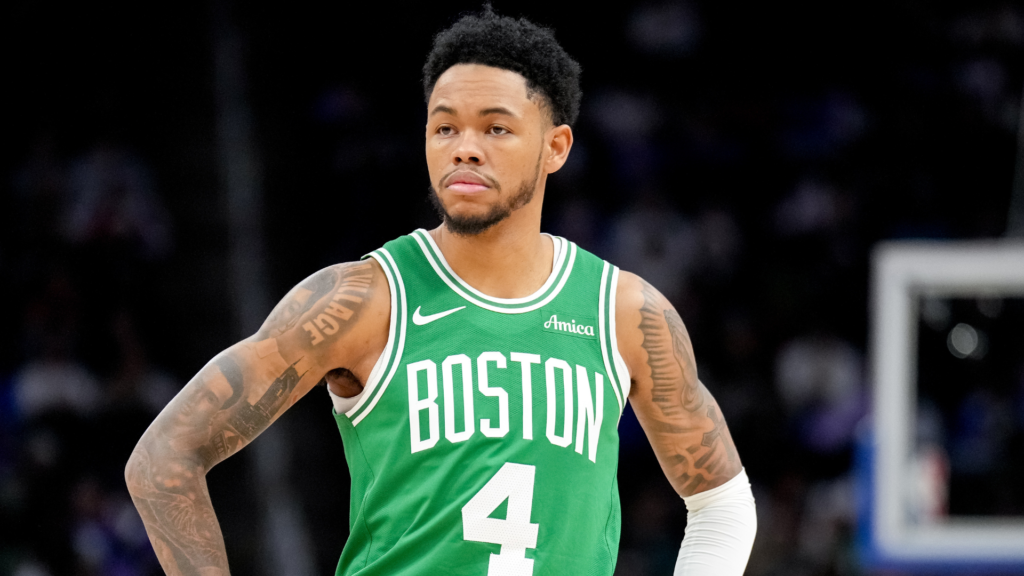
Boston Chooses Balance Over Brilliance
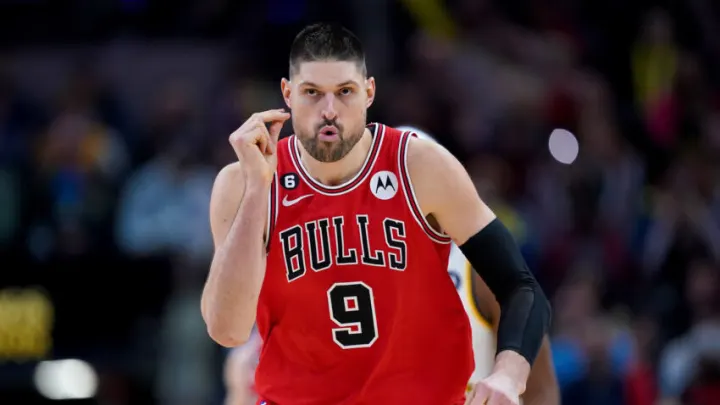
The Celtics’ decision to trade for Nikola Vučević is not exciting, but it is calculated. Boston needed frontcourt scoring and rebounding, especially with Jayson Tatum’s workload being managed carefully. Vučević provides exactly that, along with floor spacing that fits their offensive structure.
At the same time, shedding salary to dip below the first apron gives Boston access to the buyout market. This is not about Vučević alone. It is about optionality.
Chicago’s side of the deal reinforces their identity crisis. Acquiring Anfernee Simons adds scoring punch, but it also adds another guard to an already congested rotation. The Bulls are collecting talent without defining roles, which is often how rebuilds stall.
The Bigger Picture: Winners, Losers, and What Comes Next
What makes February 3 so important is not just the players moved, but the clarity it created. Utah is serious. Memphis is starting over. Minnesota is preparing for something bold. Boston is threading the needle between contention and flexibility. Chicago, once again, is searching for direction.
Personally, the Jackson trade stands out most. It is rare to see a franchise willingly give up a player that valuable at that age. It takes courage or desperation, and sometimes both look the same in February.
With the deadline hours away, one thing is clear: the league has chosen momentum over comfort. The next 48 hours will not just fill stat sheets. They will decide which teams believe in this season, and which ones have already turned the page, find out more Trades on my X for the latest news!