

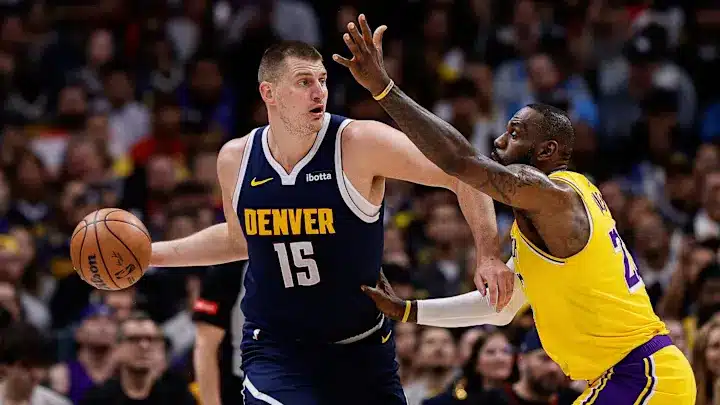
There is something quietly haunting about this NBA season.
Not because the basketball has been bad. In fact, the quality of play, the rise of young contenders, and the statistical explosions across the league have been phenomenal. But layered beneath the nightly highlights and box scores is growing injury reports.
Because in 2025–26, the 65-game rule is not just shaping awards, it is rewriting NBA history and erasing some of the best seasons ever with it.
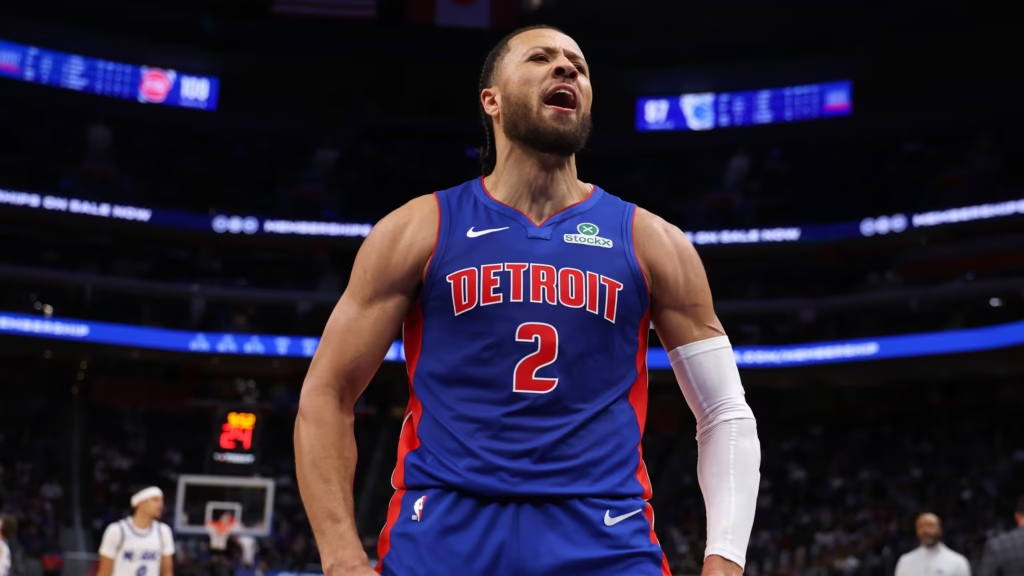
The Rule That Changed Everything
When the NBA and NBPA formalized the 65-game minimum for All-NBA, All-Defensive teams, and major awards, the intent was understandable. The league wanted to attack load management, reward durability, and ensure honours reflected full-season impact rather than partial dominance.
On paper, it made sense, production should meet availability, obviously.
But the 2025–26 season has stress-tested that philosophy in ways few anticipated. Instead of filtering out coasting veterans, the rule has collided head-on with genuine injuries, season-altering, unavoidable, human injuries.
And as a result, the awards race has been reshaped not by performance…
…but by survival.
The Season That Never Began
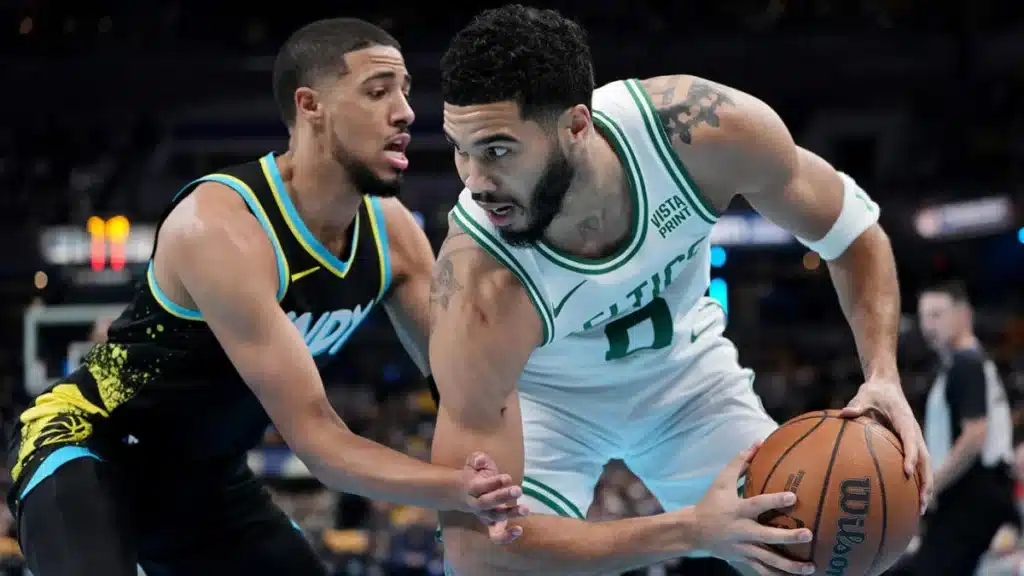
Jayson Tatum & Tyrese Haliburton
Two of the league’s brightest stars never even stepped on the floor.
Jayson Tatum’s torn Achilles, suffered in the 2025 playoffs against New York, wiped out his entire season before it began. A guaranteed All-NBA First Team member and MVP ballot dominance, Tatum went from franchise cornerstone to bench warmer overnight.
Boston, to its credit, has remained competitive through their 2nd star, Jaylen Brown, who is averaging 29.5 PPG. But anyone watching closely can feel the vacuum he left behind, the missing late-game shot creation, the defensive versatility, the emotional leadership.
Indiana’s loss felt even more existential.
Tyrese Haliburton’s Achilles tear in Game 7 of the 2025 Finals didn’t just end his season, it effectively paused the Pacers’ trajectory. Without his orchestration, Indiana’s offense has looked disjointed, stripped of its rhythm and identity.
Longevity Meets Reality
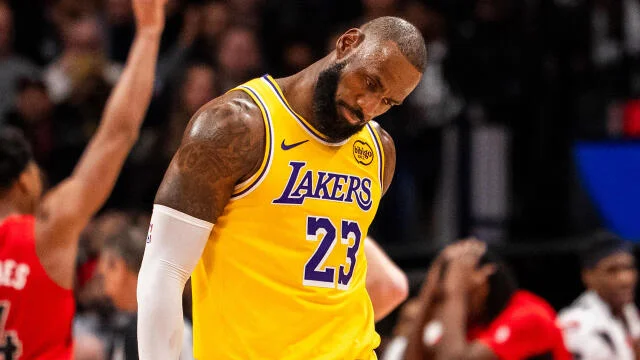
LeBron James
For over two decades, LeBron James has treated durability like an art form. His All-NBA streak became one of the sport’s most unbreakable traditions, excellence sustained through time.
And now, at 41, it ends not with decline…
…but with arithmetic.
Foot arthritis, sciatica, and calibrated load management have pushed him past the 65-game threshold. Even while averaging roughly 21.8 points, 6.9 assists, and elite efficiency, his season exists in awards limbo.
The production remains.
The influence remains.
But eligibility does not.
There is something poetic, and slightly cruel, about that reality. One of the greatest longevity cases in sports history is disqualified not for falling off…
…but for finally being human.

MVP Caliber… Disqualified
Giannis Antetokounmpo & Nikola Jokić
If the rule’s goal was to ensure MVP candidates play enough games, this season presents its harshest paradox.
Because two of the best players alive may not qualify.
Giannis Antetokounmpo, despite posting 28.0 points, 10.0 rebounds, and 5.6 assists on staggering 64.5% shooting, has missed too much time with groin and lower-body issues. Milwaukee’s instability without him only reinforces his value, their offense visibly collapses in his absence.
Jokić’s case feels even more tragic in an awards context.
Before his knee hyperextension in late December, he was authoring another historically efficient near-triple-double season. Denver’s offense functioned like a living organism through him.
Then one awkward injury shifted everything.
Missed games piled up. The eligibility line crept closer. And suddenly an MVP favourite became an awards long shot, not because his play declined, but because his availability did.
It forces an uncomfortable question:
Should the best player be excluded… if he was still the best when he played?
The Generational Case Study
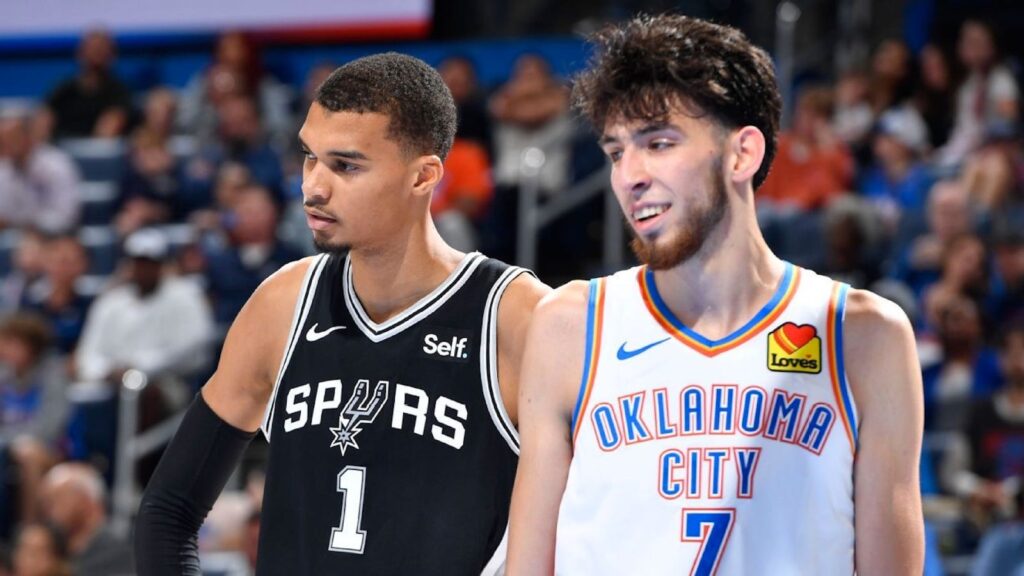
Victor Wembanyama
No player embodies the rule’s tension more than Victor Wembanyama.
On performance alone, he has a legitimate Defensive Player of the Year argument, 2.7 blocks per game, elite rim deterrence, and rapidly expanding offensive creation.
San Antonio’s surge in the standings correlates directly with his presence. At 23.9 points and 11.1 rebounds, he is already functioning like a franchise apex.
And yet…
Early calf injuries and cautious load management have placed his eligibility in jeopardy. The Spurs prioritized long-term health over short-term awards — a rational basketball decision that collides directly with the rule’s rigidity.
In protecting their future, they may have cost him hardware in the present.
The Borderline Casualties
Beyond the headline names sits a secondary wave of stars hovering near disqualification:
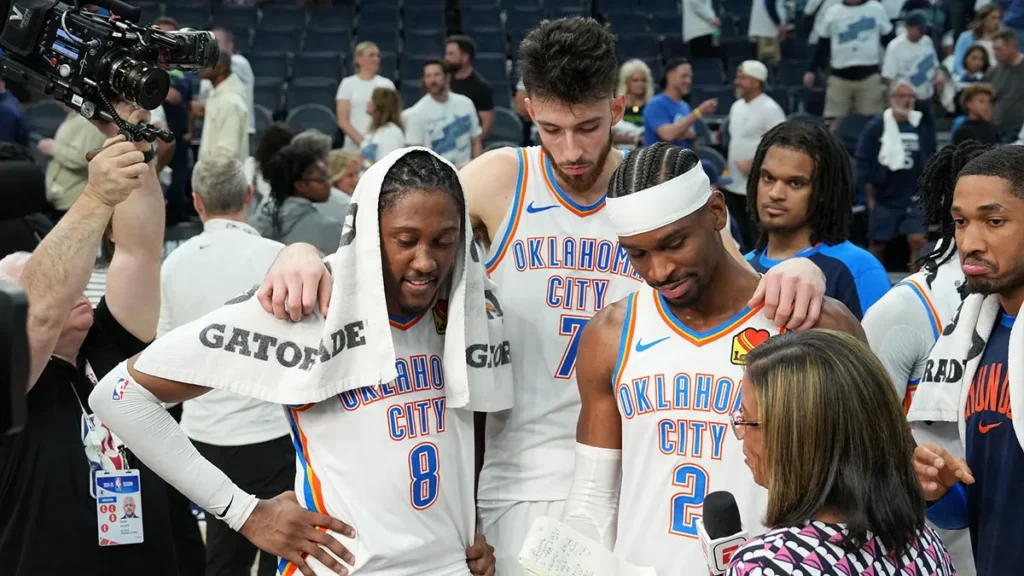
Jalen Williams missed significant early time with a wrist injury, jeopardizing both All-NBA recognition and future supermax eligibility.
Joel Embiid continues battling chronic health interruptions that threaten another awards-shortened season.
Anthony Davis and Luka Dončić have both navigated multi-week absences, placing them in the danger zone despite elite production.
Kyrie Irving’s extended knee issues add yet another high-profile name to the durability ledger.
Individually, each case feels situational.
Collectively, they feel systemic.
The Positive Reality
To be fair, the rule has achieved some of its intended effects.
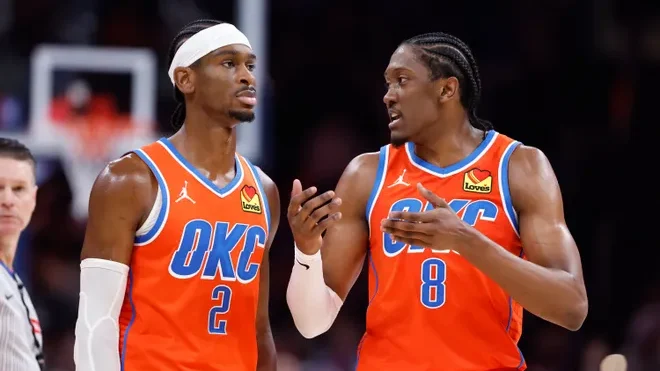
It has elevated durability as a competitive advantage. Players who suit up nightly, Shai Gilgeous-Alexander being the prime example, gain deserved recognition for sustaining elite output across the marathon of a season.
It has also reshaped roster philosophy. Front offices now weigh medical risk, load planning, and depth construction more heavily when building contenders.
And for fans, there is value in knowing that award winners truly participated in the bulk of the season they’re being honored for.
Availability, after all, is part of greatness.
The Negative Undercurrent
But this season exposes the emotional cost.
Because awards are not just statistical acknowledgments, they are historical markers. They shape Hall of Fame cases, contract escalators, and how eras are remembered.
When generational players like Tatum, Haliburton, Giannis, or Jokić are absent from those records, the season’s legacy becomes distorted.
Future fans may scan award lists and never grasp who actually dominated the year.
In trying to protect competitive integrity, the rule risks oversimplifying context.
Injuries are not avoidance.
They are part of the sport’s physical toll.
A Season Defined by Absence
What makes 2025–26 so emotionally unique is not just who has risen…
…but who has vanished from eligibility.
The awards race feels quieter. Less definitive. Slightly incomplete.
Not because the winners will be undeserving, but because so many titans never got the chance to finish the race.
The 65 game rule may be bad, but rules and made so rulebreakers, don’t go against the rules, and that what it’s all about.