

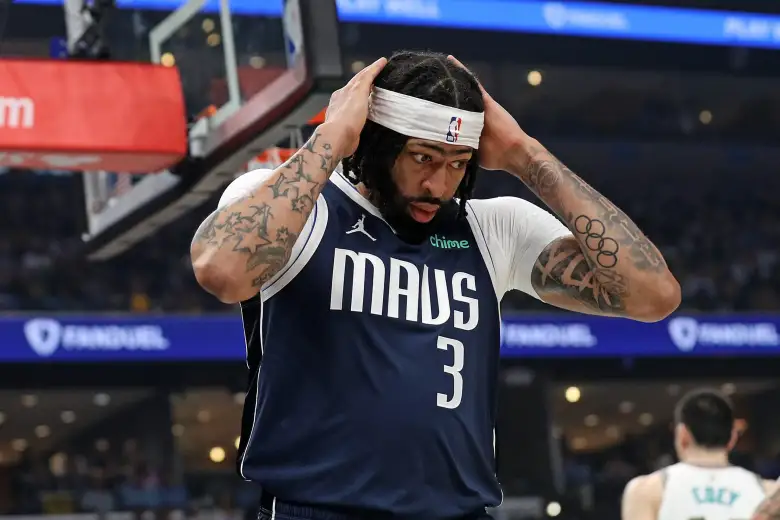
When the Mavericks traded Luka Doncic for Anthony Davis in February 2025, it was supposed to be a reset, not a retreat. Dallas believed it could pivot from a focused offense to defensive dominance, pairing Davis with Kyrie Irving and surrounding them with experience. Less than a year later, the vision feels distant, fractured by injuries, youth, and timing.
Anthony Davis’ tenure in Dallas has not been a disaster. But it has never felt stable. And now, with the Mavericks sliding and Davis sidelined again, the franchise is staring at a defining decision.
How Anthony Davis Arrived, and Why It Mattered
The Luka-for-Davis trade was seismic. Dallas bet that Davis’ two-way impact could anchor a contender while buying time to retool the roster. Instead, the Mavericks missed the 2025 playoffs, then pivoted again by drafting Cooper Flagg No. 1 overall, a move that quietly reset the timeline.
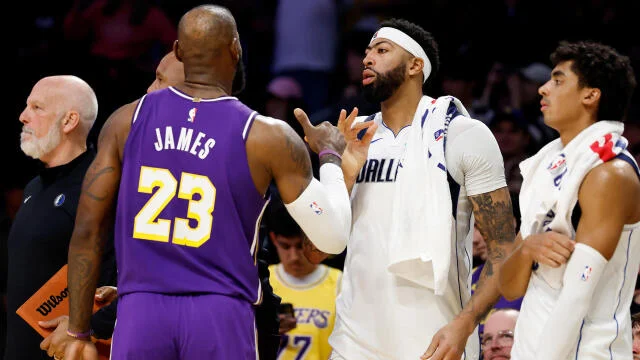
That decision changed everything. Davis, 32, suddenly became misaligned with a roster drifting younger and less competitive. The idea of contention faded. The idea of asset management took over.
Davis’ On-Court Impact This Season
On paper, Davis has been productive.
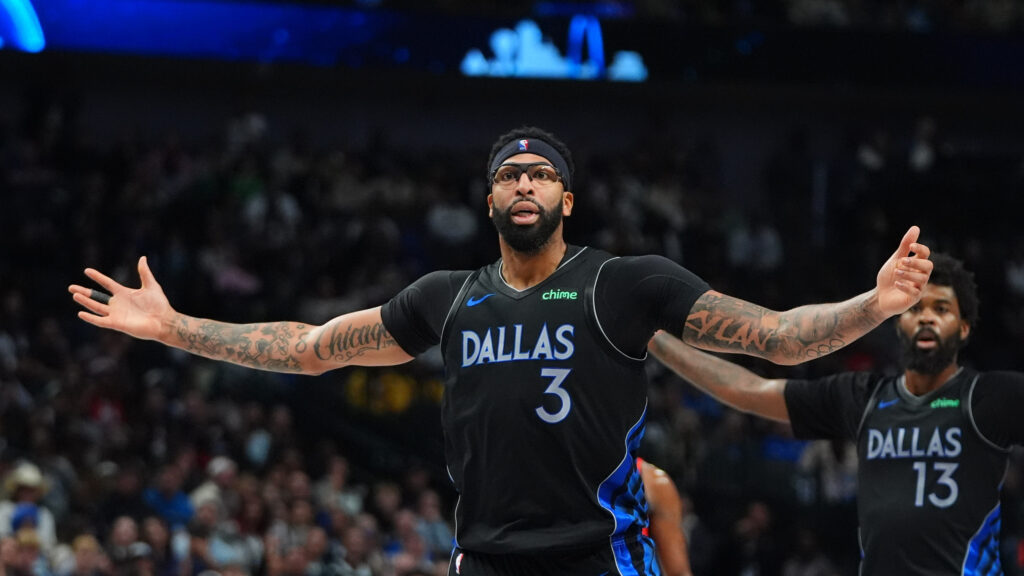
He’s averaging 20.4 PPG on 50.6% FG, alongside 11.1 RPG and still elite defensive player of the year type stuff when healthy. Those numbers still matter. When on the court, he remains Dallas’ best defender and most reliable interior scorer. He’s delivered flashes, including dominant defensive performances and multiple 25+ point nights.
But the context matters more than the stats.
Dallas ranks near the bottom of the league offensively. Possessions stagnate. Spacing collapses. Davis’ scoring comes within dysfunction, not flow. At 32, with reduced athletic margin and heavy defensive responsibility, he’s asked to cover structural holes rather than elevate a system.
The Injury That Changed the Conversation
Davis’ left-hand ligament injury didn’t just sideline him, it hurt his trade value.
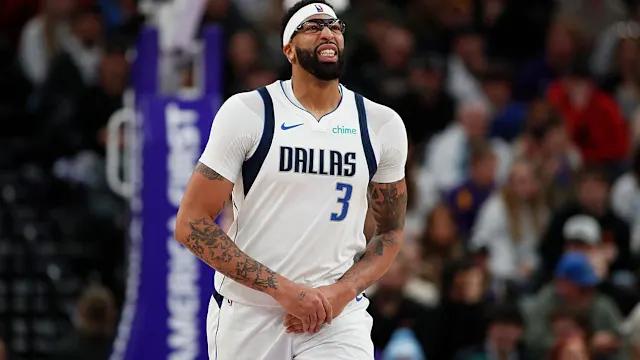
Initial optimism faded once imaging confirmed ligament damage significant enough to consider surgery. If Anthony Davis undergoes repair, the realistic timeline is 3–4 months, pushing any return into late March or April. Even without surgery, recovery stretches into multiple months with re-injury risk.
For a 15–25 team not in contention, that timeline matters. Every missed game erodes trade value. Every delay increases the chance Dallas loses control of the situation entirely.
The Mavericks’ Reality Check
Dallas is 15–25, buried in the West. Kyrie Irving is out. Klay Thompson is aging. The roster is top-heavy and expensive, with over $150M committed and little flexibility.
The future is Cooper Flagg. The present is uncertain.
Davis no longer fits cleanly into either lane.
What Anthony Davis Could Actually Be Traded For
This is no longer about star-for-star swaps.
Anthony Davis’ age, injury history, $54M salary, and player option cap his market. Any return would likely center on expiring contracts, one protected first, and young rotation players, not franchise pillars.
That’s not failure. That’s realism.
Clearing his salary restores flexibility. Avoiding a walk-for-nothing scenario preserves value. And moving him removes pressure from a locker room drifting toward youth development.
So… Should Dallas Trade Him?
Yes.
Not because Davis can’t play, but because timing no longer favours patience. Dallas isn’t close enough to wait, and Davis isn’t young enough to pause. Trading him now protects the rebuild, accelerates clarity, and aligns the franchise with its future instead of its past.