
 "Pin It")
Atlanta chooses clarity. Washington chooses belief.
There are trades that shake the league.
There are trades that reshape franchises.
And then there are trades like this, the kind that force both fanbases to ask an uncomfortable question:
What are we actually trying to become?
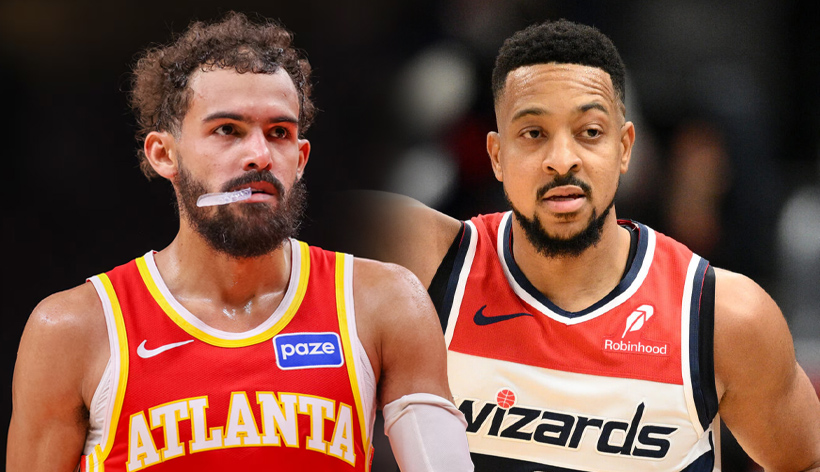
When the Atlanta Hawks sent Trae Young to the Washington Wizards in a straight-up player swap, it wasn’t about winning headlines. It was about choosing a direction, and living with the consequences.
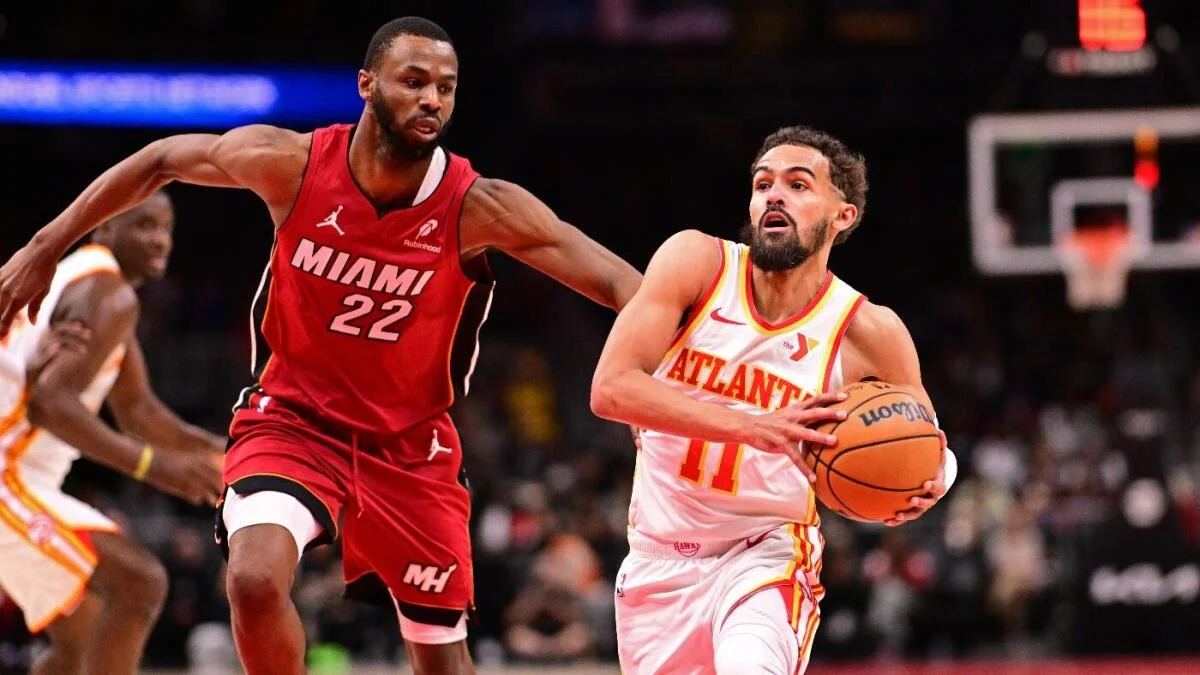
The Trade, Finalized
Atlanta Hawks receive
- CJ McCollum
- Corey Kispert
Washington Wizards receive
- Trae Young
No draft picks.
No protections.
No safety nets.
Just two organizations staring at the same fork in the road, and walking in opposite directions.
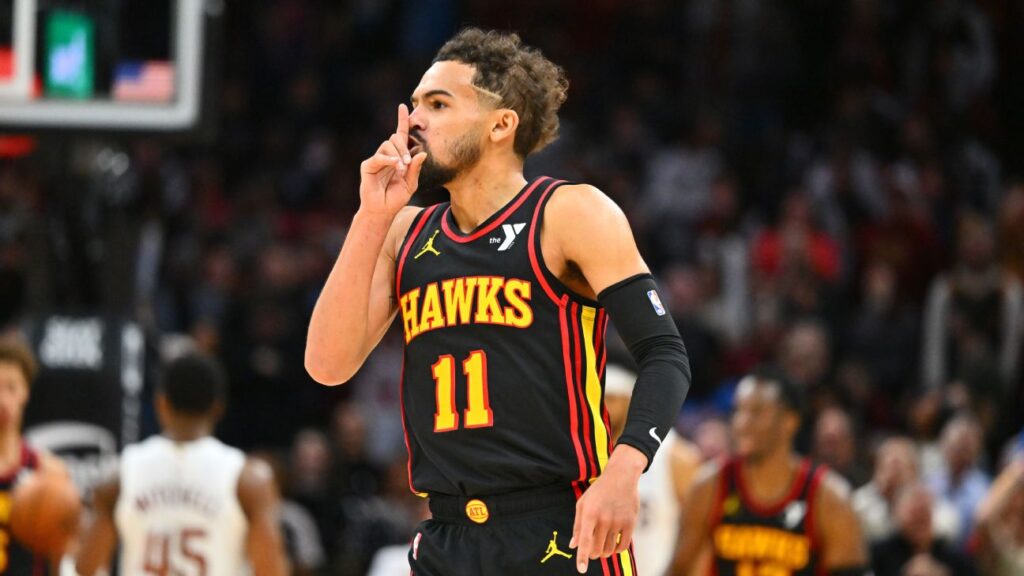
Why This Trade Happened Now
Trae Young is Atlanta Hawks history.
He is their all-time leader in assists.
He is their all-time leader in three-pointers.
He took a franchise that had been drifting for years and dragged it to an Eastern Conference Finals.
But the last few seasons told a quieter story.
Atlanta wasn’t bad enough to reset.
They weren’t good enough to contend.
And they weren’t evolving fast enough to justify staying the course.
The roster changed. The coaches changed. The philosophy shifted.
Trae stayed the same, brilliant, polarizing, ball-dominant.
At some point, the question stopped being “Is Trae good enough?”
It became “Is this still aligned?”
Atlanta answered that question, decisively.
Washington’s Bet: Trae Young as the Centerpiece
The Player, Right Now
Despite injuries and constant roster turnover, Trae Young remains one of the league’s most productive offensive guards.
2025–26 season:
- 19.3 points per game
- 8.9 assists
- 1.0 steals
- Playing through persistent lower-body issues
Career averages:
- 25.2 PPG
- 9.8 APG
- 35.1% from three
- 87.3% from the line
Those numbers don’t disappear overnight.
What has changed is perception. Trae is no longer viewed as a universal, plug-and-play star. He’s a system-defining guard, one who demands structure, spacing, and buy-in.
Washington believes it can finally provide that.
Why the Fit Makes Sense
For years, the Wizards lacked one thing above all else:
an offensive identity.
Now they have one, immediately.
Trae Young brings:
- A true half-court engine
- Late-game shot creation
- Defensive gravity that bends coverages before the ball even crosses half court
Picture the framework:
- Trae manipulating pick-and-rolls with Alex Sarr
- Kick-outs feeding Bilal Coulibaly’s development
- Secondary creation from Cam Whitmore
- A roster that finally has a reason defenses can’t relax
This is not about instant contention.
It’s about relevance, growth, and clarity.
The risk? Immense.
If the spacing falters or the culture cracks, Trae’s brilliance can become isolating instead of elevating.
Washington knows that, and made the bet anyway.
Atlanta’s Side: Choosing Air Over Fire
The Hawks didn’t trade Trae to get worse.
They traded him to exhale.
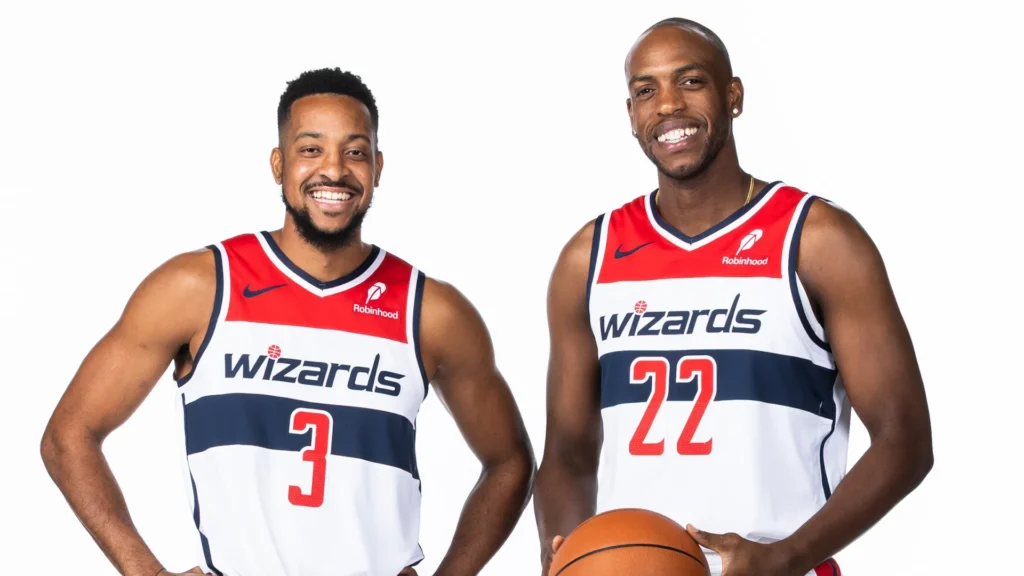
CJ McCollum: Stability by Design
2025–26:
- 18.8 points
- 3.6 assists
- Career 39.7% from three
CJ McCollum is not a replacement star.
He’s a tone-setter.
What Atlanta gains:
- Lower usage
- Fewer possessions stuck in isolation
- A professional guard who lets others grow
The Hawks didn’t want another engine.
They wanted a smoother road.
Corey Kispert: Quietly Essential
Corey Kispert may never trend, but he always matters.
Career:
- 39.5% from three
- Nearly two-thirds of his attempts from deep
- Elite relocation and off-ball timing
In modern roster building, players like Kispert are currency. He stretches the floor without demanding attention, amplifies young scorers, and fits any lineup without friction.
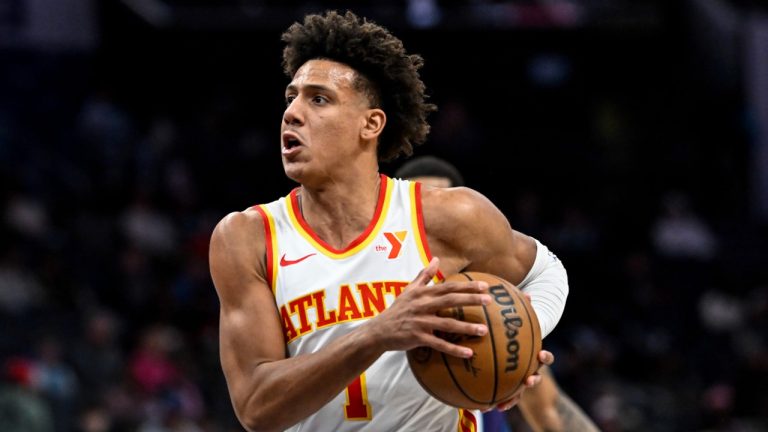
Next to Jalen Johnson and Zaccharie Risacher, his spacing becomes a tool, not an afterthought.
Atlanta’s New Blueprint
This trade confirms Atlanta’s direction:
Length. Versatility. Balance.
The offense now has room to breathe through:
- Jalen Johnson’s expanding playmaking
- Risacher’s scoring upside
- Onyeka Okongwu’s mobility
- Kristaps Porziņģis pulling bigs away from the paint
And with nearly $95 million in financial flexibility, the Hawks are no longer boxed in by one identity.
This isn’t the end of a rebuild.
It’s the beginning of one, done quietly, intentionally, and without panic.
Post-Trade Cores
Washington Wizards
- Trae Young
- Alex Sarr
- Bilal Coulibaly
- Cam Whitmore
- Marvin Bagley III
Atlanta Hawks
- Jalen Johnson
- Zaccharie Risacher
- Kristaps Porziņģis
- Onyeka Okongwu
- CJ McCollum
- Corey Kispert
Two teams.
Two timelines.
One defining decision.
The Emotional Truth
Atlanta fans are mourning what Trae represented.
Washington fans are imagining what he could unlock.
Both reactions are valid.
Because this trade wasn’t about talent.
It was about belief.
Belief that Trae can still carry a franchise.
Belief that Atlanta can finally build something cohesive without him.
History will decide who was right.
Final Grades
Washington Wizards: B+
They took the swing they needed. Trae gives them relevance and direction, but the margin for error is thin and unforgiving.
Atlanta Hawks: A-
They sacrificed comfort for clarity. Cleaner books, a defined vision, and flexibility moving forward — even if the emotional cost was high.