

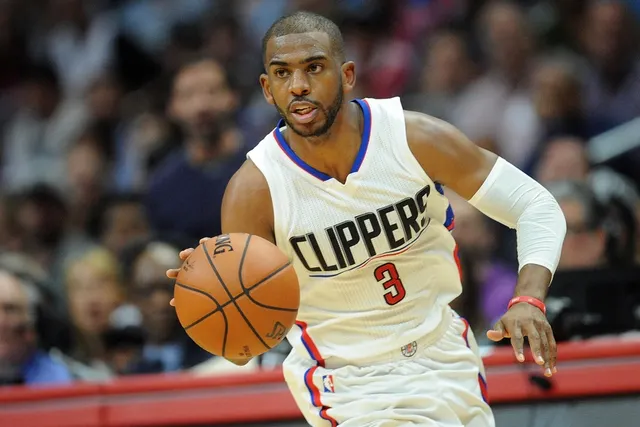
Clippers’ shocking decision and the real reasons behind Chris Paul’s sudden exit
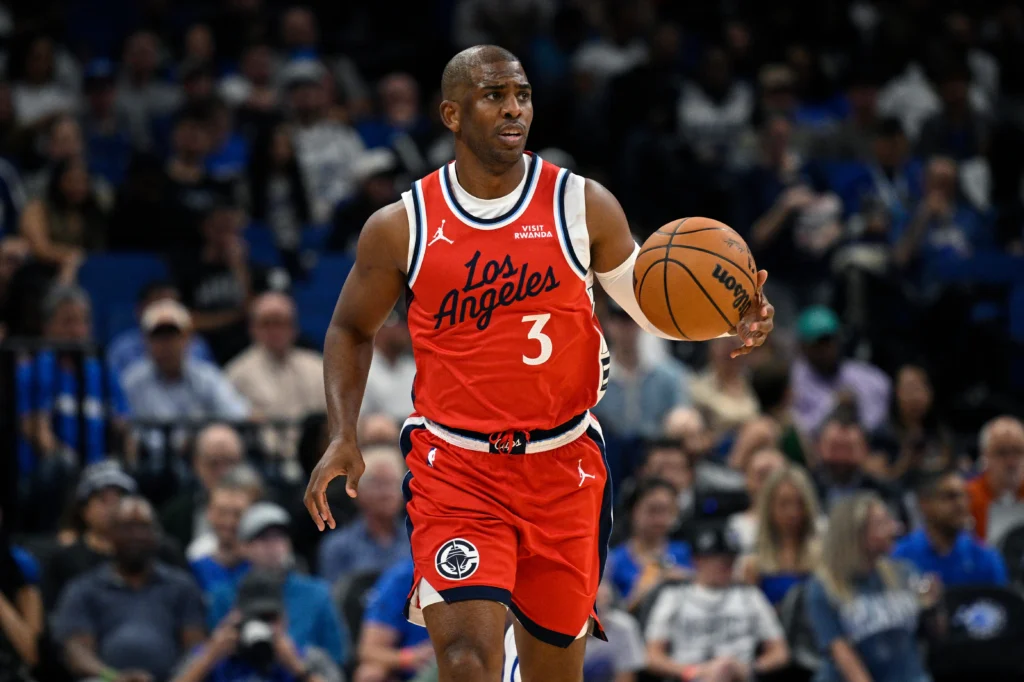
The NBA has never been short on surprises, but few moves have stunned the basketball world quite like the Los Angeles Clippers’ decision to release Chris Paul effective immediately, sending the 40-year-old point guard home in what insiders called a “bizarre severing ties move.” For a franchise battling a disastrous start, a shifting identity, and a looming rebuild, the abrupt end of Paul’s final chapter in Los Angeles was both emotional, and inevitable.
What follows is a full, detailed breakdown: why this happened, the statistical collapse behind the move, the Clippers’ internal reasoning, and what it means for the rest of their season.
THE STATEMENT THAT SHOOK THE NBA
Clippers owner Steve Ballmer released a highly respectful, but telling, statement:
“After thoughtful consideration and internal discussions, we have decided to waive Chris Paul… This was not an easy decision, but we believe it is in the best interest of the team moving forward… Chris is a future Hall of Famer and one of the greatest point guards to ever play the game.”
The messaging was clear:
The Clippers were grateful, but ready to move on.
And under the surface, the reasoning was deeper than most fans realized.
THE CONTEXT: A TEAM FALLING APART
The Clippers’ 2025–26 season had spiraled quickly. A 5–16 start, chemistry issues, and a fractured direction left the franchise searching for answers. With Kawhi Leonard and Paul George gone, the Clippers had shifted toward development, youth, and future flexibility.
But Chris Paul was a 40-year-old veteran on a farewell season.
His role? To stabilize the offense, guide the young guards, and offer veteran stewardship.
Instead, the team discovered a more painful truth:
He could no longer help them win games, and might have been making them worse.
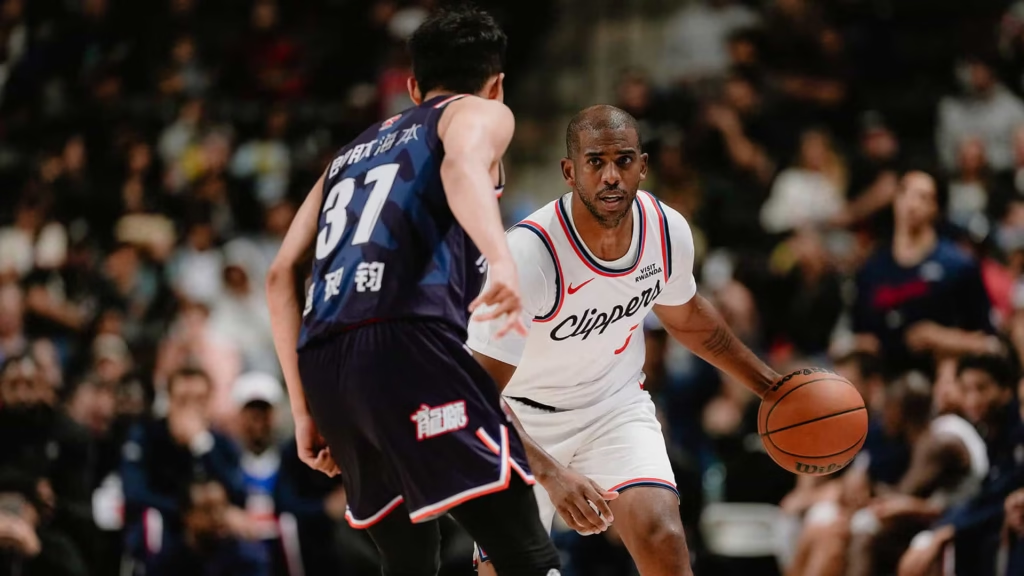
THE ROLE COLLAPSE: FROM FLOOR GENERAL TO BENCH RESERVE
Chris Paul entered the year in a limited role, but even that quickly shrank.
- Games played: 16
- Games started: 0
- Minutes per game: 14.2
- Points: 2.9
- Assists: 3.3
- FG%: 32.1%
- TS%: 41.3% (career worst)
- Plus/minus: -5.3 per game
- On/Off impact: -11.6 (team drastically worse with him on the court)
These are not the numbers of a declining star, they are the numbers of a player who can no longer survive NBA speed.
Paul still flashed brilliance as a passer, especially early in the season, with a pair of 8-assist games and a handful of nights where his defensive IQ produced timely steals. But the full picture was undeniable:
Paul had become a negative-value player on both ends of the floor.

THE STATISTICAL COLLAPSE: A DEEPER LOOK
This was not just a down stretch, it was historically bad.
Scoring Decline
Paul attempted just 3.5 shots per game, hitting only 18 total field goals in 16 games. His trademark mid-range game, once the most efficient in the league, had vanished:
- Mid-range: 25.0% (5/20)
- Non-corner threes: 30.0%
- Free throws: Only 2 attempts in 16 games
His True Shooting percentage of 41.3% ranked among the worst in the NBA.
Advanced Metrics Collapse
- PER: 8.1
- Turnover rate: 22%
- BPM: -4.9
- Defensive rating: 122
- WS/48: -0.009
- VORP: -0.2
Every indicator painted the same picture:
Chris Paul was no longer an NBA-level contributor.
Per-36 Minutes (contextualized)
Per 36 minutes, a fair normalization tool, Paul averaged:
- 7.4 PPG
- 8.4 APG
- 4.4 RPG
- 1.7 SPG
The passing was still strong, but the overall impact was negative.
WHY THE CLIPPERS REALLY WAIVED HIM
The Clippers didn’t waive Chris Paul out of disrespect. They waived him because:
1. The team is transitioning to youth
Paul was playing minutes that could go to the development of:
- Kobe Bufkin
- Jason Preston
- Xavier Moon
- Other fringe guards
At 40, Paul no longer fit the timeline.
2. He actively made the team worse
With him on the court:
- The offense slowed
- Turnovers increased
- Defensive possessions broke down
- Opposing guards attacked him relentlessly
An on/off differential of –11.6 is catastrophic.
3. Chemistry and identity were slipping
Sources described the Clippers’ locker room as “fractured” and “uncertain.”
Removing Paul wasn’t personal, it was structural.
4. Financial flexibility
Waiving him opened rotation clarity and potential roster space for:
- 10-day contracts
- G-League call-ups
- Trade deadline maneuvering
5. Paul’s future is retirement
The Clippers believed, correctly, that no other team would pick him up.
This move allowed him to exit quietly instead of declining publicly.

A RESPECTFUL END TO A LEGENDARY CAREER
The Clippers didn’t choose drama. They chose closure.
Chris Paul retires as:
- 12x All-Star
- 11x All-NBA
- 9x All-Defense
- Top 5 in career assists
- Top 5 in career steals
- One of the greatest floor generals in basketball history
Yes, the ending was harsh.
But it was also honest.
The Clippers released Chris Paul because they are moving forward, and he simply could not move with them anymore.