

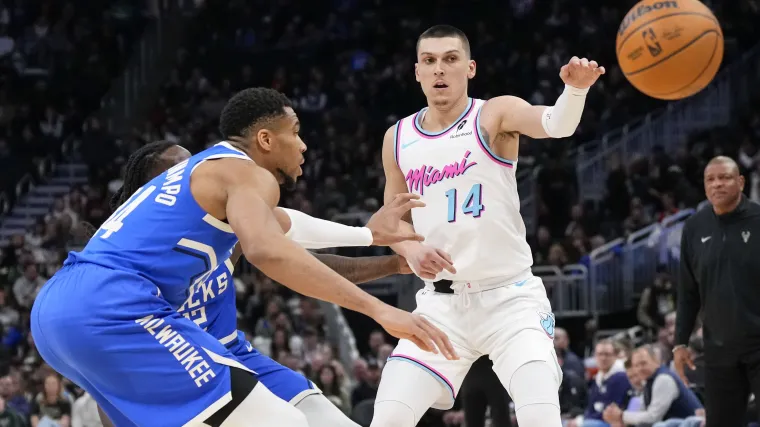
Giannis Antetokounmpo is still great. That fact should not be controversial, yet the 2025–26 season has forced the league to confront an uncomfortable reality: greatness alone no longer guarantees stability. At 31 years old, the two-time MVP and 2021 Finals MVP remains one of basketball’s most overwhelming forces when he plays. When he does not, everything around him collapses. The Milwaukee Bucks are living proof of both truths, and the rest of the NBA is watching closely.
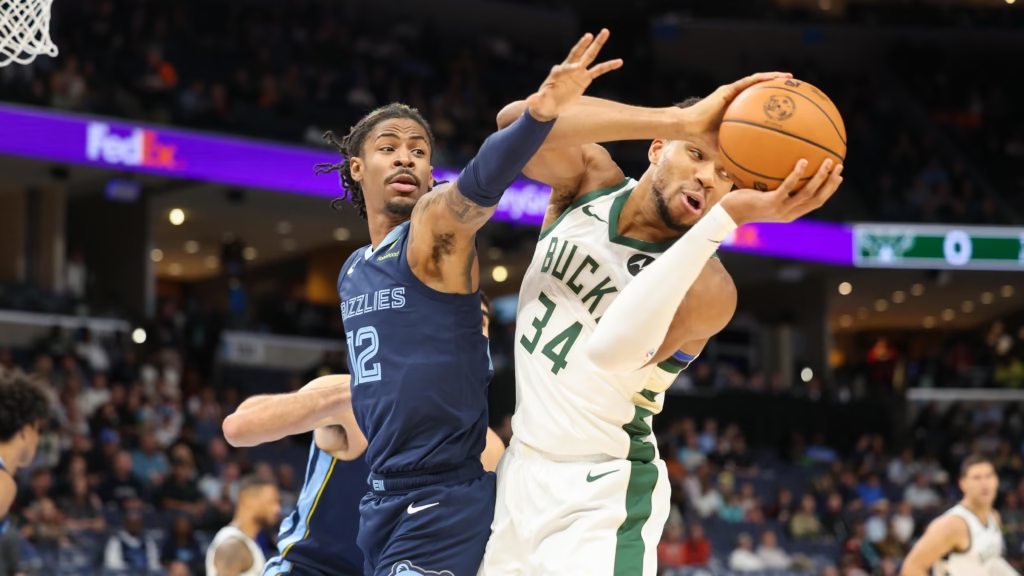
Giannis on the Floor: Production Without Decline
In the 30 games Giannis has played this season, his numbers read like a reminder rather than a resume builder. He is averaging 28.0 points, 10.0 rebounds, and 5.6 assists per game while shooting an extraordinary 64.5 percent from the field, fourth-best in the league. The addition of a near-40 percent three-point clip and a 67.9 percent true shooting percentage places him firmly in the efficiency elite, not merely among volume scorers.
What stands out most is not that Giannis is still dominant, but that his dominance has evolved. He is more selective, more controlled, and more surgical. These are not the numbers of a player desperately carrying a team. They are the numbers of a player who knows exactly when and how to impose himself.
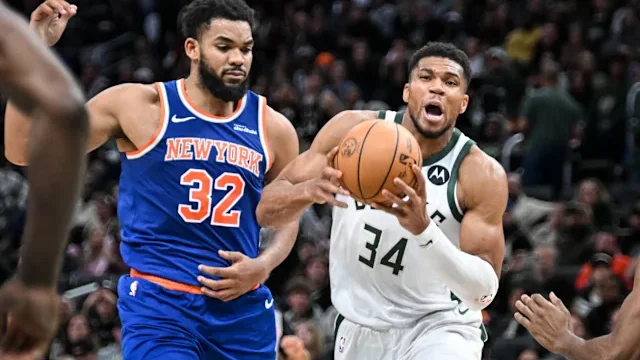
The Cost of Absence: Milwaukee Without Its Anchor
The Bucks’ record tells a far harsher story. At 18–29, Milwaukee sits 12th in the Eastern Conference, already drifting away from relevance. Without Giannis, they are 3–12. That is not a small sample anomaly; it is structural dependence.
Offensively, Milwaukee ranks near the bottom of the league in scoring and offensive rating. Defensively, they are average at best. The recent addition of Myles Turner has not changed the trajectory. This roster, as currently built, does not survive without Giannis, and it barely competes with him.
This realisation is why trade rumours have been taken so seriously as of late.
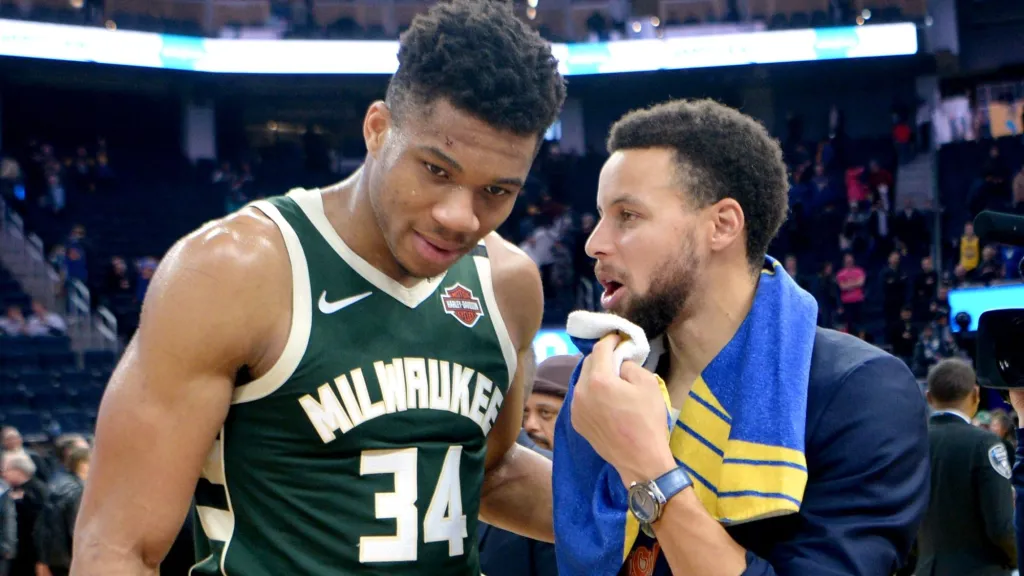
The Injury Ledger: A Pattern, Not a Fluke
This season alone, Giannis has dealt with multiple soft-tissue issues: two separate calf strains, a groin strain, and knee management dating back to October. The most recent right calf strain, suffered on January 23, is expected to sideline him for four to six weeks.
None of these injuries are catastrophic in isolation. Together, they form a pattern. For a player whose game is built on force, torque, and relentless rim pressure, durability matters as much as skill. Milwaukee cannot ignore that reality, especially as Giannis enters the most expensive years of his contract.

Contract Value vs. Contract Risk
Giannis is earning $54.1 million this season, with $58.4 million owed in 2026–27 and a $62.8 million player option in 2027–28. If traded by the February 5, 2026 deadline, he becomes eligible for a four-year, $275 million max extension in October.
On pure value, Giannis is worth every dollar. On timing, the calculus is far more complex. Paying superstar money to a superstar who increasingly misses time is not reckless, but it is no longer risk-free. Milwaukee must decide whether to double down or pivot while his value remains league-altering.

Trade Frameworks: Three Paths, Three Philosophies
The Warriors’ pitch is future-oriented. An avalanche of unprotected first-round picks and swaps, combined with young players like Jonathan Kuminga and Brandin Podziemski, offers Milwaukee a clean reset. Jimmy Butler’s contract would exist purely for salary matching, and his injury dampens the appeal, but Golden State’s willingness to mortgage the post-Steph future is real.
Minnesota’s approach is talent-heavy. Julius Randle and Jaden McDaniels provide immediate, playable value, while Rob Dillingham and Joan Beringer add developmental upside. The issue is ceiling. This is a competitive offer, but not a franchise-defining one unless additional assets arrive via third teams.
Miami presents balance. Tyler Herro, Kel’el Ware, Terry Rozier, and multiple unprotected picks fit Milwaukee’s stated desire for youth and flexibility. The Heat, however, are cautious by nature. Their reluctance to fully empty the cupboard may ultimately cost them the deal.
What This Moment Really Means
Giannis Antetokounmpo has not declined. The Bucks have. That distinction matters. Yet the NBA is ruthless about timelines, and loyalty is often the first casualty of stagnation.
From my perspective, Milwaukee should trade him, not because he is no longer elite, but because wasting elite years is the worst outcome of all. Giannis deserves to compete for championships, and the Bucks deserve a future that is not tethered to medical updates. The hardest trades are often the correct ones, and this feels like one of them.
Giannis remains a force. The question is whether Milwaukee can still afford to orbit around him, or whether it is finally time to let the league reshape itself in his wake.