

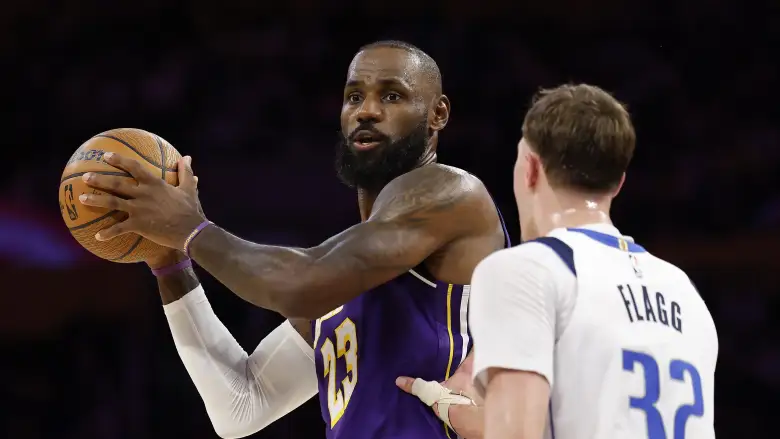
LeBron James is STILL Elite, he just has to take his TIME
The Lakers Have a LeBron James Problem… And No Easy Way Out
For the better part of two decades, the surest constant in basketball has been LeBron James showing up when the lights are brightest. But now, at age 40, after a career spent defying logic, nature, and every historical precedent ever written, the Lakers find themselves staring at a new kind of challenge, one they’ve been delaying for years, avoiding with careful roster moves, and softening through optimistic press conferences.
They have a LeBron James problem.
And it’s not the kind you solve with a trade, a lineup change, or a new coach. It’s the type you can only manage, anticipate, and negotiate with time itself.
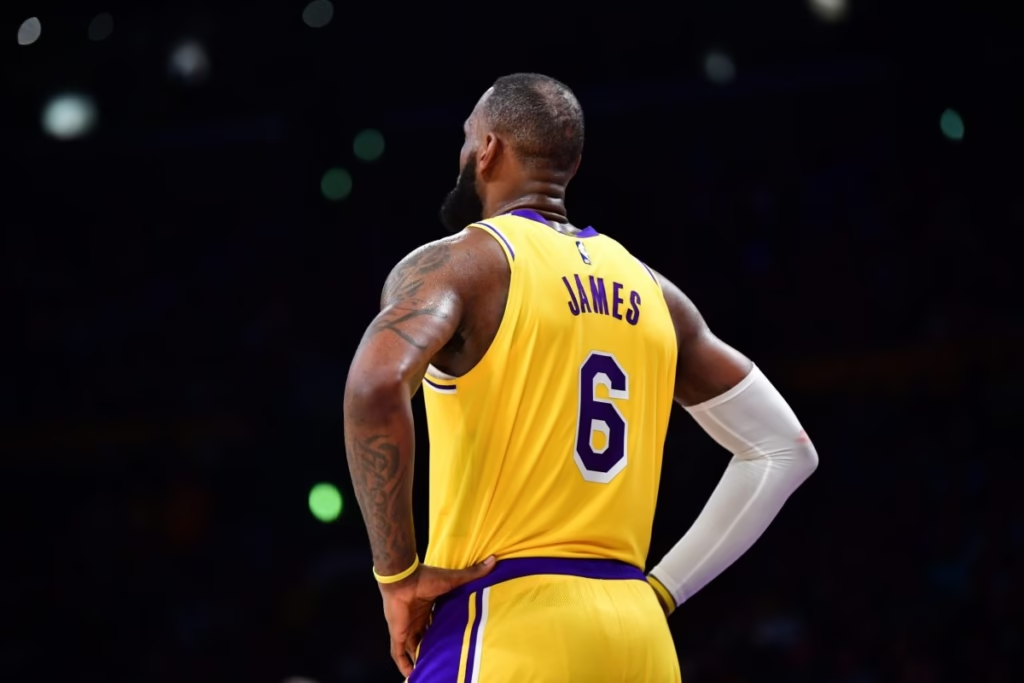
The Latest Injury Mystery Adds a New Layer to the Story
Sunday’s matchup against the New Orleans Pelicans should have been routine. Instead, it became the latest reminder that LeBron James no longer exists in the category of “reliable availability.”
Hours before tipoff, James was downgraded to out due to left foot injury management. This marks another interruption in a season already defined by medical pauses. LeBron James missed the first 14 games because of sciatica, a debilitating nerve issue that affects his lower back and radiates down the right side of his body. Now, only four games into his return, the Lakers have sat him again, this time for foot management.
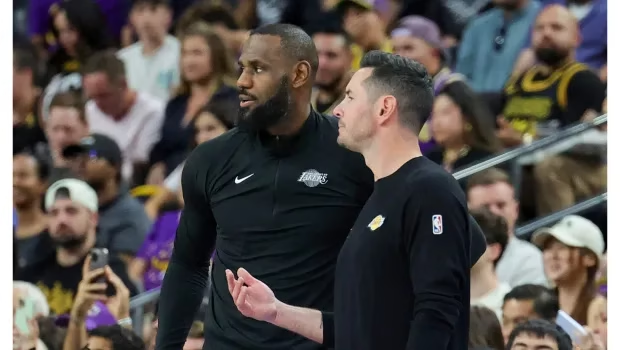
J.J. Redick made the team’s intention clear:
“We’re going to build [LeBron James] up… just being cautious.”
And while publicly the Lakers insist this is precautionary, the quiet truth feels heavier. For the first time in his career, LeBron James isn’t being held back by a single injury. He’s being held back by wear.
The goal, per the organization, is to eventually play him in back-to-backs again. But that’s a goal, not a guarantee.

Age, Decline, and the Numbers No One Wants to Say Out Loud
LeBron James return has been admirable, efficient, even smart. But the numbers show a clear decline:
- 16.5 points per game (career low)
- 6.5 field-goal attempts per game (career low)
- Only four games played this season
- No back-to-back games yet
In a vacuum, this is manageable. After all, Luka Doncic is playing at an MVP level, and Austin Reaves is having the biggest leap of his career. The Lakers are 14-4, sitting second in the West. They don’t need LeBron James to be Superman.
But here’s the issue: they will need him eventually.
Championship teams always hit adversity. Always. And when the playoffs arrive, you can’t manage LeBron James minutes like a fragile asset. You need him available, dominant, and capable of pulling games out of the fire.
That’s where the real concern begins.
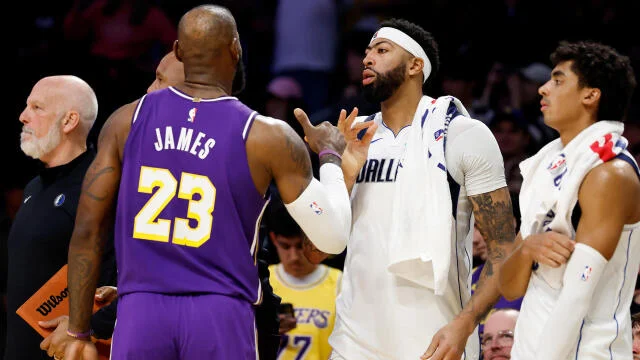
The Contract Problem: They Can’t Trade Him Without His Permission
Another complication rarely discussed publicly, but massively important adds to the tension:
LeBron James has a no-trade clause.
Technically, it’s not written as one, but his one-year extension and 20-year veteran status give him full veto power over any trade the Lakers attempt.
This means:
- The Lakers cannot move him unless he personally wants to be moved.
- They cannot reshape the timeline around Luka Doncic without LeBron’s approval.
- They cannot free up cap space, draft capital, or roster flexibility by pivoting away from him.
So what happens if the Lakers internally decide that they’d prefer a younger long-term build? What if they want Luka’s prime to be the central focus?
The answer: nothing. They can’t do anything unless LeBron chooses it.
This is the LeBron James problem. A franchise that needs his greatness also depends entirely on his decisions.
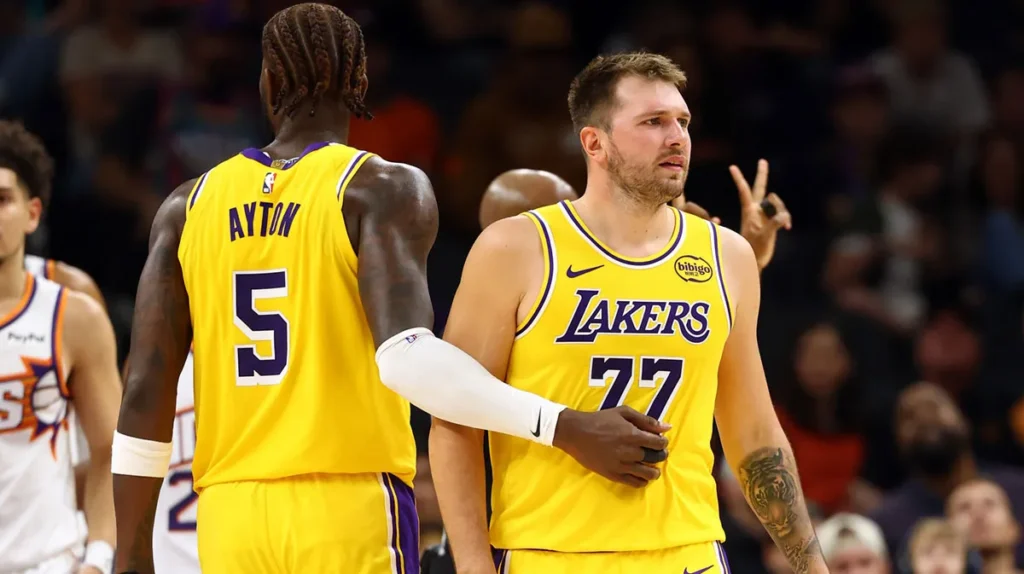
If Retirement Happens… The Timeline Explodes
LeBron James has made no public statements hinting at retirement. He has shut down rumors. He insists he still loves the game. He wants to play with Bronny. He wants one more championship run.
But the signs are louder now:
- He’s 40.
- He keeps missing chunks of games.
- His body requires day-to-day management.
- He’s entering his 23rd season of physical toll.
- The Lakers need his availability to match their ambitions.
The question isn’t “Is LeBron washed?”
The question is “How long can the Lakers build around someone whose long-term status they cannot predict?”
If he retires after this season, the Lakers lose:
- Millions in marketing revenue.
- A leadership anchor.
- A secondary playmaker behind Luka.
- A spacing threat who still commands defensive respect.
- A global superstar who defines their brand.
It’s more than losing a player. It’s losing an era.
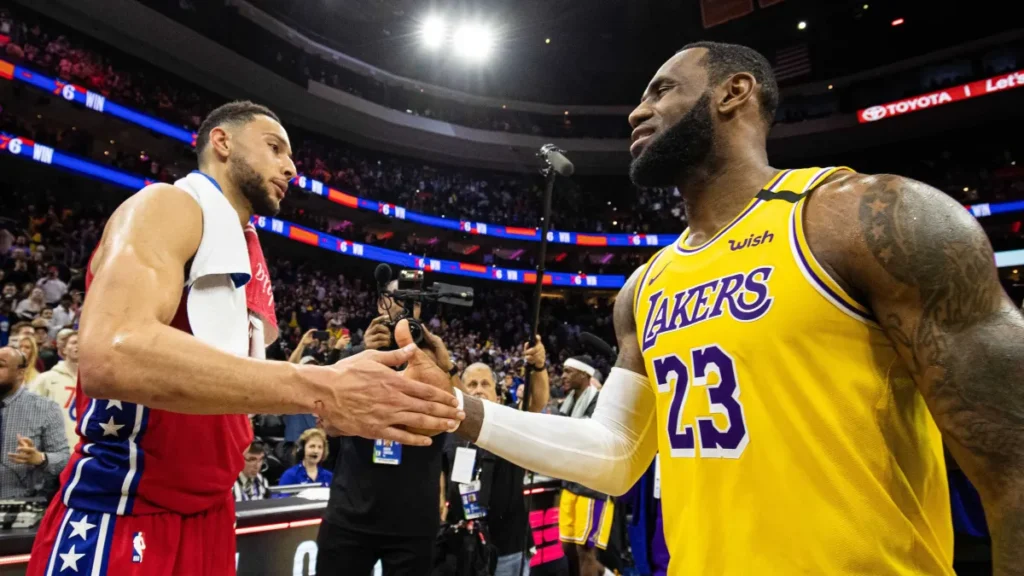
The Short-Term vs. Long-Term Dilemma
If LeBron stays healthy enough to play 60+ games, the Lakers are a top-three seed. That much is clear.
But if he continues on a path of:
- Spot availability
- Non-back-to-back participation
- Injury management
- Sudden shutdowns
- Uncertain playoff durability
… then the Lakers face a future where Luka Dončić is spending his prime waiting for clarity on LeBron’s status.
Luka’s timeline doesn’t match LeBron’s.
Reaves’ timeline doesn’t match LeBron’s.
The Lakers’ championship aspirations rely on their alignment, not their conflict.
And right now, the timelines are splitting.
What Comes Next?
The Lakers are winning. They are well-coached. They have star power. They are finally deep, finally balanced, finally modern.
But beneath that success lies a fragile truth:
Their season hinges on a 40-year-old body that needs more maintenance than ever.
LeBron James is still a genius. Still productive. Still capable of brilliance. But the Lakers must prepare for something no team has ever experienced with him: the end.
They have a LeBron James problem.
And soon, they’ll need to decide whether to build around him…
or build for what comes after him.