

Why This Build Is Weird, and Why It Might Work…
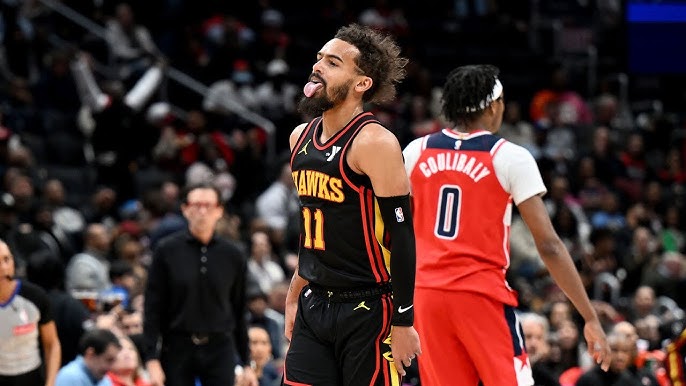
On January 7, 2026, the Washington Wizards did something franchises in perpetual rebuilds rarely do: They went for a big star, without finishing the full rebuild first.
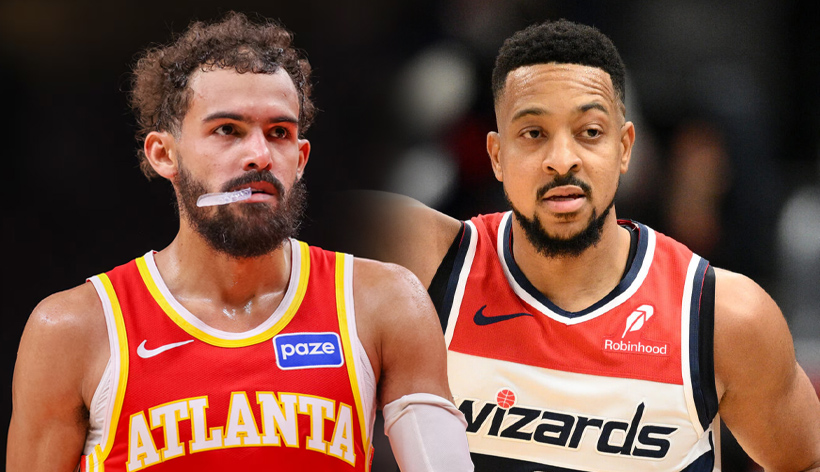
By acquiring Trae Young for CJ McCollum and Corey Kispert, the Wizards didn’t just add a star. They added a bonified superstar, a natural born leader and their new face of the franchise.
This is not a clean rebuild. It’s not a traditional one either.
It’s a strange mix of:
- an in-his-prime offensive engine.
- multiple top-15 draft picks still learning the league.
- and just enough veterans to keep the floor from collapsing.
On paper, it looks risky. On film, it looks chaotic.
But zoom out, and it starts to look dangerously intentional for the Wizards
The Core Idea: Star Power + Elastic Youth
The Wizards roster now operates on a simple but aggressive gameplan:
Let Trae Young make sense of the chaos, and let the kids scale upward around him.
This isn’t about Trae carrying them to 45 wins. It’s about using his playmaking to:
- speed up reads
- punish defensive mistakes
- and turn raw athleticism into actual NBA production.
Few guards in the league are better suited for that job.
Tier 1: The Engine and the Pillars
Trae Young (PG, 27) – Grade: B+
Trae arrives ifor the Wizards as the unquestioned offensive engine. Even in a down, injury-limited season, his career 25.2 PPG and 9.8 APG profile forces defences to step up and Trae always punishes bad defence with good offence. The Wizards hasn’t had a player like this in years, someone who can manufacture offense late in the clock and dictate tempo every possession.
This season was uneven, but context matters. Injuries, instability, and a stale Hawks offense dulled his efficiency. What didn’t disappear was his vision. In Washington, Trae doesn’t need to be perfect — he needs to be connective. If healthy, his presence alone raises the floor of every lineup.
Alex Sarr (C, 20) – Grade: A-
Sarr is the real reason this gamble makes sense.
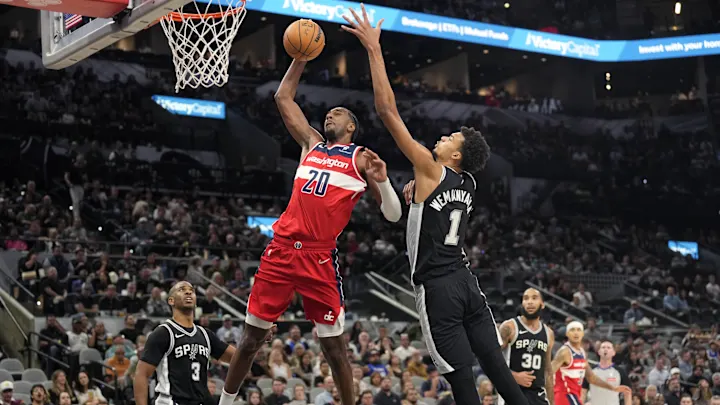
A 7-footer averaging 17.4 points, 7.8 rebounds, and 2.3 blocks while flirting with 36% from three isn’t just promising, it’s foundational. He gives the Wizards rim protection, vertical spacing, and switchability, all while still learning how dominant he can be.
This season, Sarr has gone from prospect to pillar. With Trae feeding him easier looks, his offensive efficiency should climb even higher.
Kyshawn George (SF, 22) – Grade: A
Every serious rebuild needs a surprise. George has been that.
At 15.0 PPG on 40.8% from three, with real playmaking capabilities and defensive versatility, George has looked far more polished than his draft slot suggested. He guards multiple positions, makes quick decisions, and doesn’t hijack possessions.
Players like this are how chaos becomes structure.
Tier 2: The Accelerators
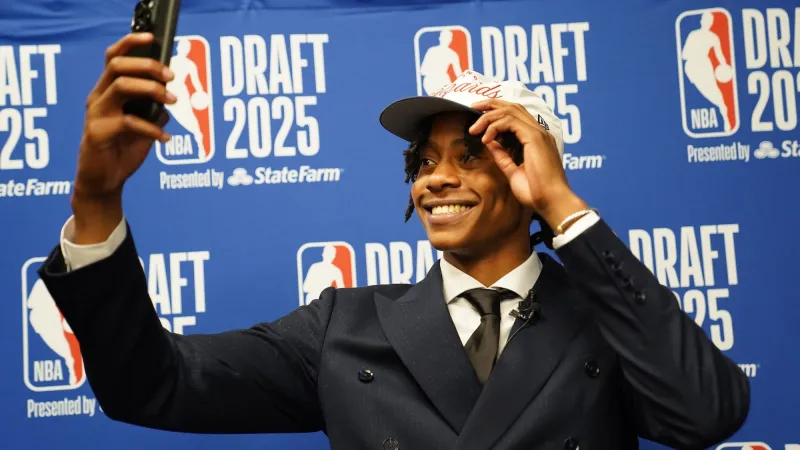
Tre Johnson (SG, 19) – Grade: B
Johnson’s scoring talent is obvious. Nearly 40% from three and 90% from the line as a teenager tells you everything about his shooting foundation. What he’s learning now is physicality, pacing, and shot selection.
With Trae drawing attention, Johnson’s off-ball gravity becomes a weapon, not a disability.
Bilal Coulibaly (SG, 21) – Grade: B-
Coulibaly’s jumper is still a work in progress, but his defensive impact is real. 1.5 steals and 1.0 block per game from a wing is not accidental.
He’s the floating defender, the guy who turns broken plays into fast breaks. If the shot ever stabilizes, his ceiling jumps dramatically.
Bub Carrington (PG, 20) – Grade: B
Carrington has quietly been one of the Wizards’ most stabilizing pieces. Shooting 42.5% from three while running second units is real value.
Trae’s arrival doesn’t hurt him, it makes him more dangerous.
Tier 3: The Wild Cards
Cam Whitmore (SF, 21) – Grade: C+
Whitmore remains an efficiency paradox. The athleticism pops. The jumper wavers. In short bursts, he changes games. Over longer stretches, he disappears.
In this environment, though, his downhill pressure finally has space to breathe.
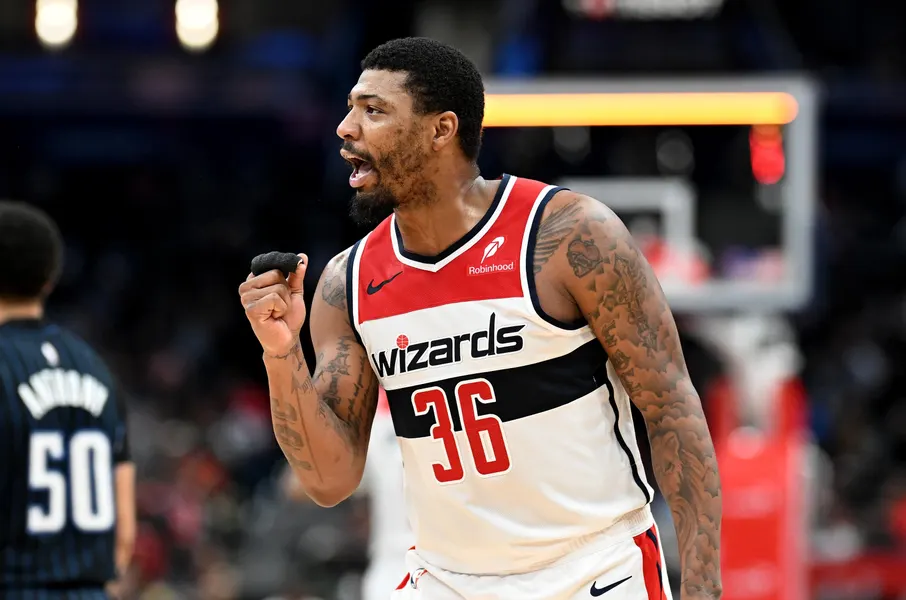
Marvin Bagley III (PF, 26) – Grade: C+
Bagley has been quietly effective: 10 points on elite efficiency in bench minutes. He won’t anchor a defense, but he punishes mismatches and keeps second units afloat.
Tier 4: The Glue and the Mentors
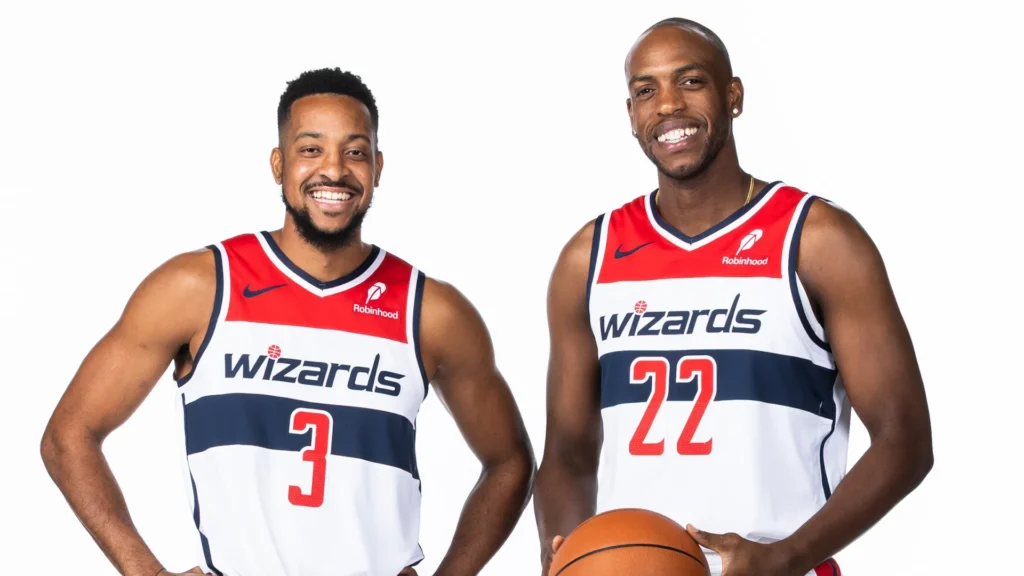
Khris Middleton (SF, 34) – Grade: C
Middleton no longer bends defenses, but his value is in what doesn’t show up in box scores: late-game calm, spacing discipline, and teaching young wings how to survive NBA minutes.
Justin Champagnie, Tristan Vukcevic, Anthony Gill – Grades: C to C-
These are the connective pieces. Rebounding, screening, effort, professionalism. They won’t trend, but just like Phytoplankton, they might be small, but they keep the ecosystem stable.
Tier 5: The Long-Term Projects
Will Riley, Malaki Branham, Jamir Watkins, AJ Johnson, Sharife Cooper.
Not every rebuild hits on every pick. What matters is that Washington isn’t forcing these players into roles they aren’t ready for. Development without desperation is a luxury, and Trae’s presence provides it.
Why This Is Weirdly Insane
Most rebuilds choose between hope and order.
Washington chose both.
They added a star without emptying the cupboard. They kept their best prospects untouched. And they created an environment where development happens under real NBA pressure, not theoretical upside.
This can fail.
But if it works, it won’t look accidental.
It’ll look like the moment the Wizards stopped waiting, and started building.