

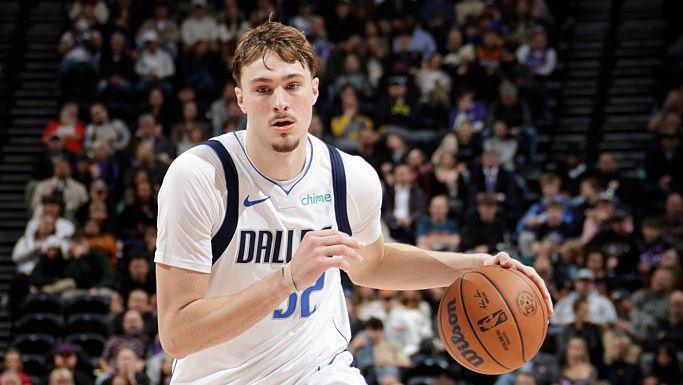
Despite a 140–133 overtime loss to the Utah Jazz, Cooper Flagg delivered a performance that will echo far beyond the final score. Nights like this are not just box-score explosions, they are historical markers. And at just 18 years old, Flagg authored one.
By halftime, the Mavericks rookie had already poured in 24 points, the most he had ever scored in a half at any level. By the end of the night, he had 42 points, becoming the youngest player in NBA history, and the first 18-year-old, to score 40 in a game, surpassing LeBron James’ long-standing under-19 record.
That alone would be headline-worthy. It was only the beginning.
A Night That Rewrote Dallas Rookie History
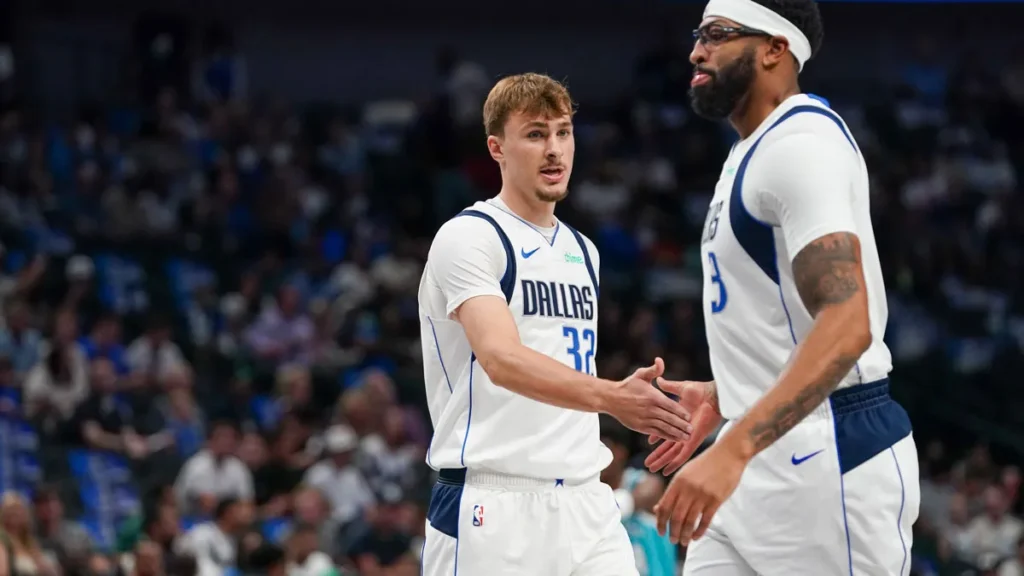
With his 42-point outing, Cooper Flagg became just the fourth rookie in Mavericks franchise history to score 40, joining names that span decades: Mark Aguirre, Jay Vincent, and Roddy Beaubois. The difference? None of them did it at 18. None of them did it with this level of all-around responsibility.
Cooper Flagg finished with 42 points, 7 rebounds, and 6 assists, becoming just the fifth rookie in the last 15 years to post a 40–5–5 stat line. Volume scorers come and go. Complete offensive engines at this age do not.
This wasn’t a heat-check night. It was a controlled takeover.
Comfort Turning Into Control
Cooper Flagg’s own words told the story best.
He wasn’t chasing records. He was settling in.
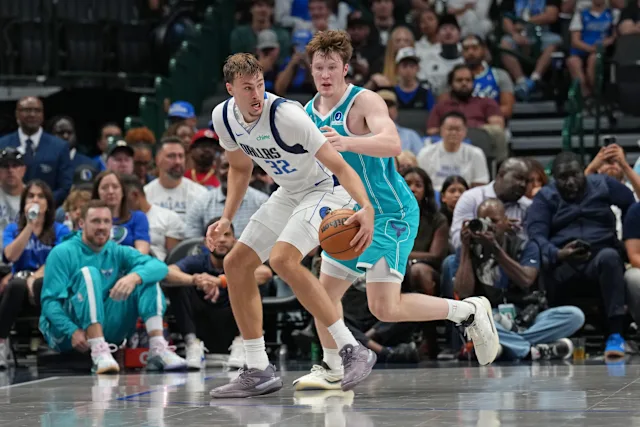
The game slowed down for him, especially in the fourth quarter, where he scored 12 points and made one of the smartest plays of the night, intentionally missing a free throw to create a long rebound, allowing Dallas to extend the game into overtime. That moment didn’t show up as an assist, but it showed something more important: command.
Command of time. Command of situation. Command of trust.
Jason Kidd summed it up plainly: the more Flagg plays, the more he sees, and the better he gets.
That progression has been rapid.
The Numbers Behind the Surge
Entering the night, Flagg was already averaging 17.5 points, 6.3 rebounds, and 3.4 assists, leading the Kia Rookie Ladder. Over his last seven games, that scoring number has jumped to 25.7 points per game, a leap that signals more than a hot streak.
Against Utah, Flagg lived at the free-throw line, going 15-for-20, a sign of growing physical assertiveness and confidence attacking NBA defenders. When teams tried to adjust late, sending doubles, Dallas leaned into it.
They didn’t hesitate.
They went to the rookie.
Why This Matters Historically
There have been many productive rookies.
There have been many hyped prospects.
There have been very few who check every box this early.
Age-adjusted scoring.
Two-way versatility.
Playmaking responsibility.
Late-game trust.
Historical milestones before turning 19.
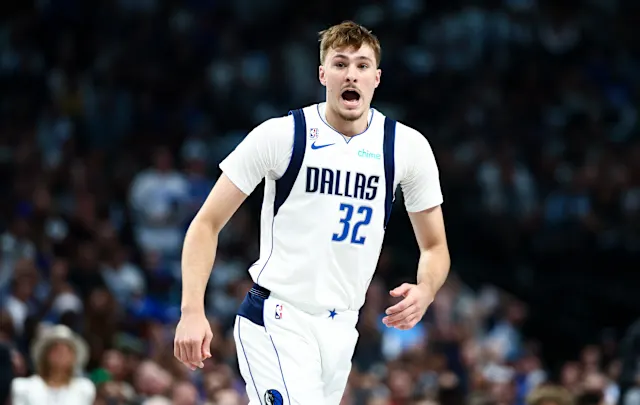
When evaluating rookie prospects ever, the list narrows quickly. LeBron James. Kareem Abdul-Jabbar. Tim Duncan. Players who were immediately franchise-defining.
Cooper Flagg is forcing his name into that tie, not through hype, but through evidence.

A Franchise Shifting in Real Time
With Anthony Davis sidelined and injuries thinning the roster, Dallas didn’t protect Cooper Flagg from the moment.
They handed him the moment.
Teammates see it. Opponents feel it. Coaches trust it.
As P.J. Washington said, “We were going to Coop. He was killing them the whole game.”
That is not language reserved for rookies.
That is language reserved for cornerstones.
More Than Records
Flagg insists he’s focused on improvement, not milestones. And that mindset might be the most telling indicator of all. Because players chasing records eventually slow down.
Players chasing growth tend to accelerate.
At 18, Cooper Flagg isn’t just ahead of schedule.
He’s redefining the schedule entirely.
And if this night was a glimpse of what’s coming, the league has been warned.