

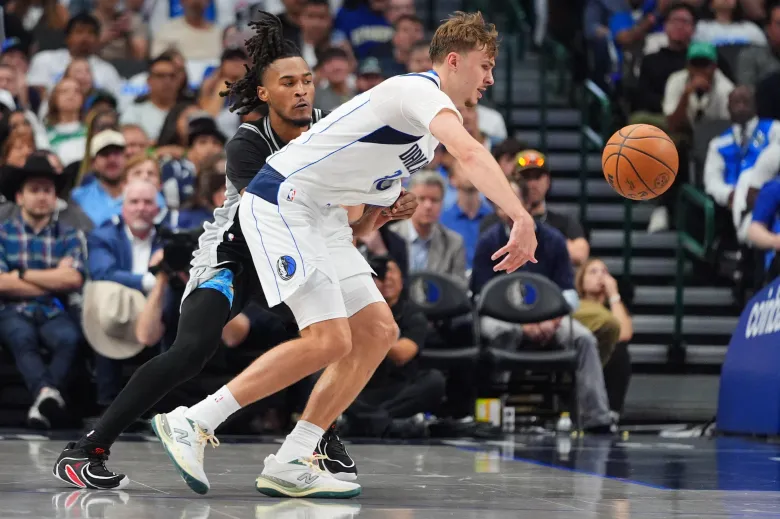
Every year, Rising Stars tells you where the league is going.
This year? It’s screaming it.
The 2026 NBA Castrol Rising Stars player pool isn’t just talented, it’s uncomfortably deep. No filler names. No ceremonial selections. Just first and second-year players already shaping rotations, fanbases, and futures.
Twenty-one rookies and sophomores. Three teams drafted by Carmelo Anthony, Vince Carter, and Tracy McGrady. One mini-tournament. And a terrifying realization: half of these players won’t be “Rising Stars” for long, they’ll just be stars.
But with this much youth, comes imbalance. Firepower. Flaws. And questions the league isn’t ready to answer yet.
Let’s break it all down.
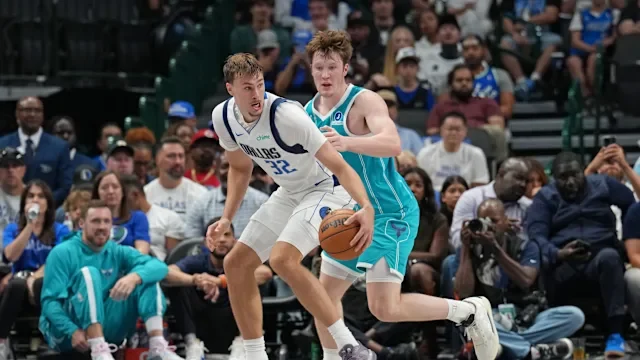
Team Melo: Star Power, Shot-Making, and Chaos Energy
Headliners: Cooper Flagg, Kon Knueppel, Alex Sarr, Reed Sheppard, Jaylon Tyson
This is the team casual fans will circle first, and for good reason.
Cooper Flagg leads the entire Rising Stars pool in scoring at 18.8 PPG, while defending multiple positions with a 7’2” wingspan. Kon Knueppel might be the most efficient wing in the event, shooting 42.2% from three and nearly 90% from the line. Alex Sarr brings rim protection and scoring touch, and Reed Sheppard spaces the floor at an elite 40.7% from deep.
The upside?
This team can score in waves. They can run. They can space. They can overwhelm teams before adjustments are made.
The concern?
Shot selection and consistency. Flagg’s three-point efficiency is shaky. Sarr’s free throws fluctuate. If the shots stop falling, this team can get loose defensively and turnover-prone.
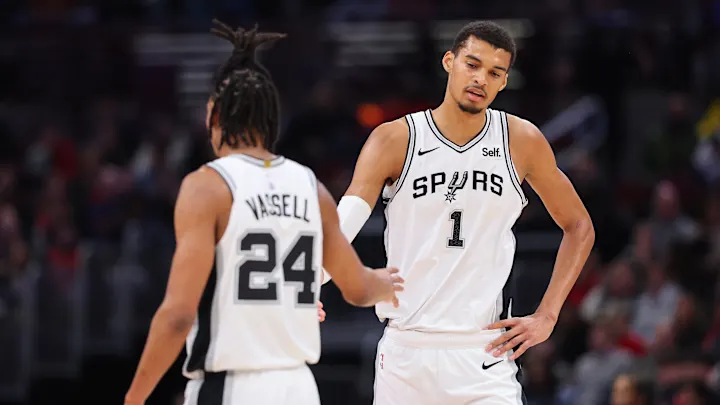
Team Vince: Athleticism, Defence, and Relentless Pressure
Headliners: VJ Edgecombe, Stephon Castle, Donovan Clingan, Matas Buzelis, Ajay Mitchell
This is the team coaches secretly fear.
VJ Edgecombe brings nonstop energy, steals (1.5 SPG), and elite athleticism. Stephon Castle is nearly flirting with a triple-double season (16.6 PPG, 7.0 APG, 5.0 RPG). Donovan Clingan controls the glass (10.9 RPG) and protects the rim. Matas Buzelis blocks shots at a rare rate for a forward.
The upside?
Defence travels, even in an All-Star setting. This group forces turnovers, runs in transition, and punishes lazy possessions.
The concern?
Spacing. Castle’s three-point shooting (27.8%) and Clingan’s limited perimeter offense could shrink the floor. Turnovers are the tax you pay for aggression.
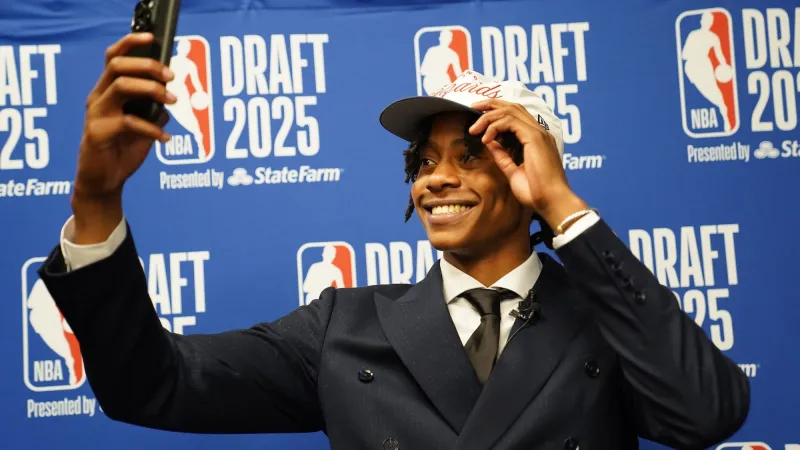
Team T-Mac: Skill, Feel, and Sneaky Stars
Headliners: Kyshawn George, Cam Spencer, Kel’el Ware, Egor Demin, Tre Johnson
This is the “basketball purist” team, and maybe the most dangerous.
Kyshawn George is doing everything (15.5 PPG, 5.8 RPG, 5.1 APG). Cam Spencer is quietly shooting 46.4% from three. Kel’el Ware stretches the floor at 41.5% from deep while rebounding at a near double-digit rate. Egor Demin brings international flair and fearless shooting.
The upside?
Spacing. IQ. Feel. This team makes the right reads, the extra pass, and the subtle play that wins tight games.
The concern?
Physicality. Defensive matchups. Some of these players haven’t been tested against elite athletic pressure for long stretches.

What Makes This Rising Stars Class Different
This pool isn’t built on projection, it’s built on production.
Multiple players averaging 15+ points.
Elite shooting numbers across positions.
Centers who pass. Guards who rebound. Wings who defend.
But here’s the real difference: expectations.
Fans already expect All-Star appearances. Front offices are already building around these names. And the flaws? They’re being exposed early, turnovers, efficiency swings, defensive lapses, which is exactly how real stars are forged.
This event isn’t a preview.
It’s a warning.
Final Thought: The League Isn’t Ready for What Comes Next
Some of these players will disappoint.
Some will dominate.
A few will leave this weekend with their names permanently upgraded.
But one thing is certain: the NBA’s next era is already here, and it’s louder, deeper, and more skilled than ever.
Rising Stars isn’t about potential anymore.
It’s about arrival.