

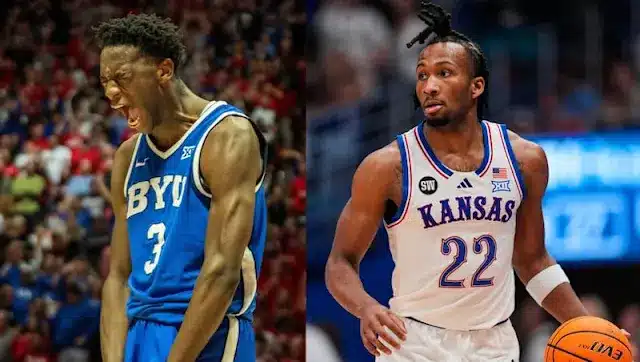
The 2026 NBA Draft class projects as a structurally strong, top-heavy group with legitimate star equity at the top and meaningful depth through the mid-first round. The talent distribution is guard- and wing-centric, with multiple jumbo creators, high-usage freshmen, and versatile forwards who fit the modern two-way archetype. Based on the latest evaluations from ESPN, the consensus top tier, Darryn Peterson, AJ Dybantsa, and Cameron Boozer, has separated itself through a combination of production, physical profile, and translatable offensive skill. Below that trio, the class flattens into a broad cluster of lottery-caliber prospects whose ultimate draft slots will hinge on team context, medical clarity, and pre-draft process.
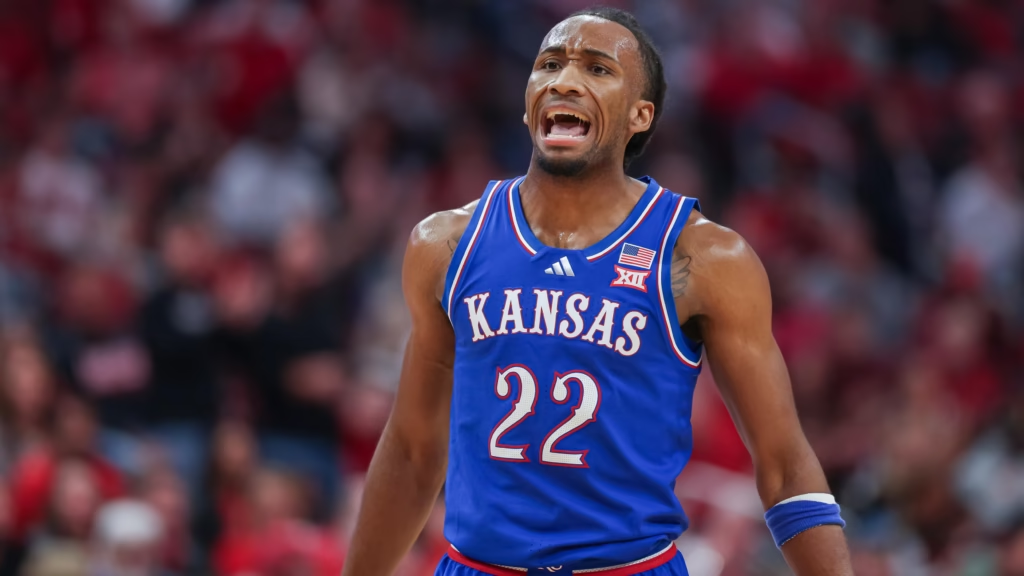
Darryn Peterson Is The Best Prosect In The Draft
At the top, Darryn Peterson (Kansas) presents as the most dynamic perimeter shot-creator in the class. At 6-6 with length and pace manipulation, he generates efficient offense at all three levels and profiles as a primary initiator in spread pick-and-roll. His scoring efficiency and isolation poise evoke shades of elite combo guards who can toggle between on- and off-ball roles. The primary variable is availability; intermittent absences and cramping issues compress his sample size and introduce medical scrutiny. If cleared, he has a credible pathway to becoming the No. 1 overall pick.
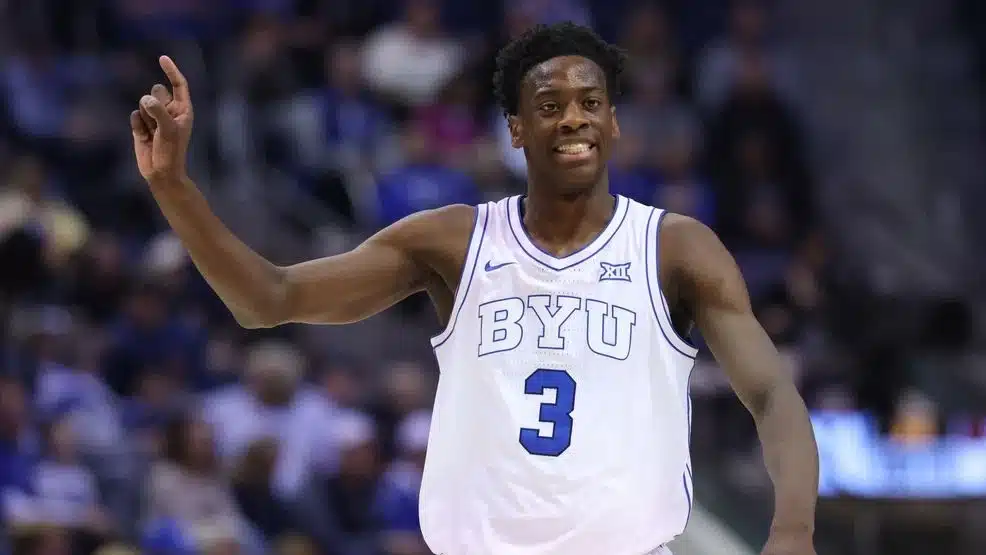
AJ Dybansta, The Most Versatile Forward In The Class
AJ Dybantsa (BYU) is the premier wing scorer. At 6-9, he applies downhill pressure, absorbs contact, and scores through traffic with advanced body control. His usage is high, yet he has demonstrated incremental growth as a passer. The swing skill is perimeter consistency, streaky three-point shooting and occasional ball-dominance create stylistic debates. Still, his physical tools and production against high-major competition establish an All-Star ceiling outcome.
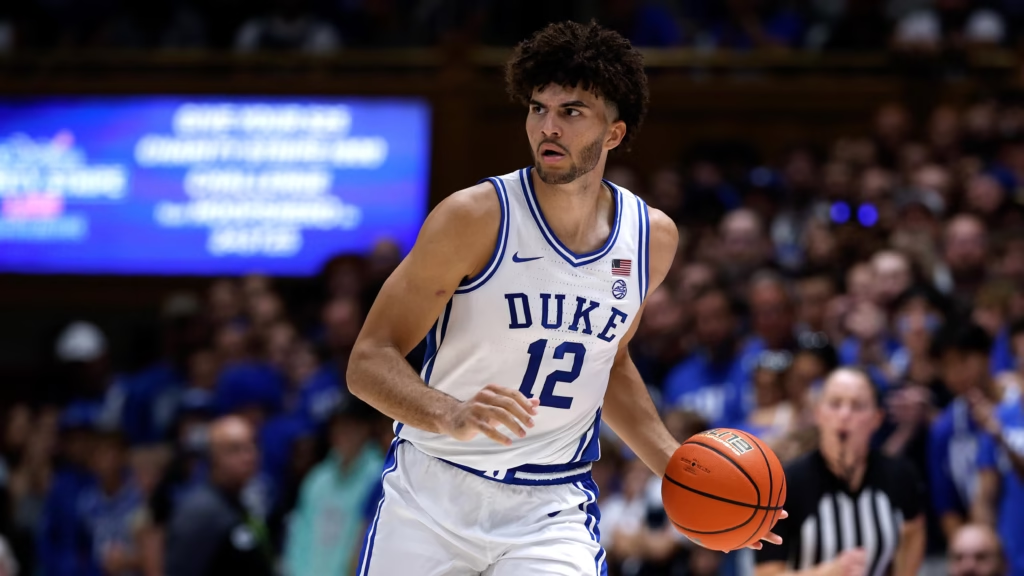
Cameron Boozer (Duke) may be the safest top-tier projection. The 6-9 forward blends interior efficiency, rebounding, and high-level feel. He processes quickly, moves the ball decisively, and impacts winning possessions without monopolizing touches. While he lacks vertical explosiveness and elite rim protection metrics, his motor, positional intelligence, and offensive malleability support a high-probability starter projection with potential to scale in playoff environments.
Who Could Be Selected Next?
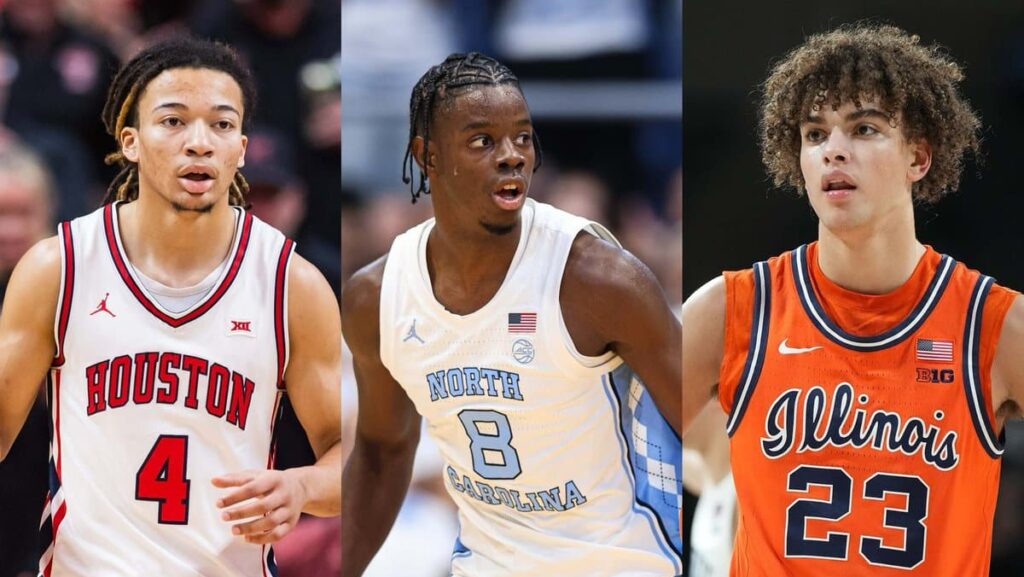
The next tier includes frontcourt athlete Caleb Wilson (North Carolina), whose length, mobility, and defensive versatility suggest long-term two-way impact if his perimeter skill base stabilizes. Kingston Flemings (Houston) and Mikel Brown Jr. (Louisville) headline the pure point guard discussion, Flemings with pace and pressure creation, Brown with size and shotmaking volatility. Nate Ament (Tennessee) is a developmental swing forward with a rare size-skill blend but requires strength and efficiency gains to maximize his archetype.
Jayden Quaintance (Kentucky) introduces medical complexity after an ACL tear; he remains one of the class’s few true center prospects with rim-protection tools, but offensive limitations narrow lineup flexibility. Darius Acuff Jr. (Arkansas) is a high-usage scoring guard with deep shooting range and advanced handle craft, though defensive scalability is a playoff question. Thomas Haugh (Florida) and Yaxel Lendeborg (Michigan) represent upperclassmen value, rotation-ready forwards with defensive switchability and connective skill, albeit with capped upside relative to freshmen.
In the late lottery to mid-first range, shooting and role clarity dominate evaluation. Braylon Mullins (UConn) and Isaiah Evans (Duke) offer movement shooting at size. Bennett Stirtz (Iowa) and Christian Anderson (Texas Tech) profile as game managers who can stabilize second units. Koa Peat (Arizona) and Labaron Philon Jr. (Alabama) bring scoring punch but require refinement in decision-making and defensive consistency.
International Stars ARE NOT Highlighting This Draft Class
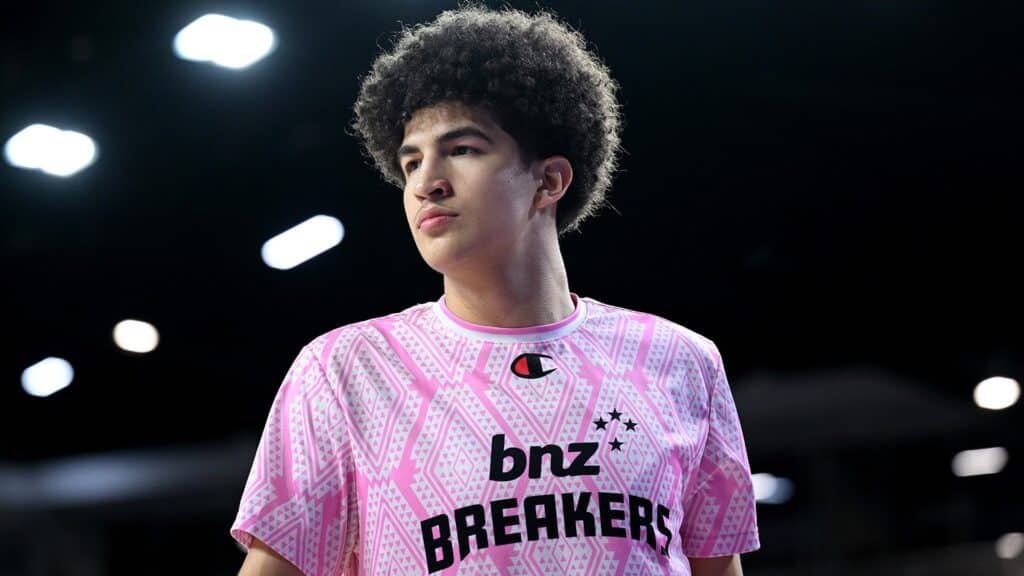
International and non-traditional pathways add intrigue. Karim Lopez (New Zealand Breakers) has logged professional reps in the NBL’s Next Stars program, offering toughness and positional feel. Hannes Steinbach (Washington, German pipeline) and Neoklis Avdalas (Virginia Tech, Greek background) extend the global footprint. The class reflects broader developmental diversification, NIL economics, reclassifications, and cross-border training systems are materially shaping draft readiness.
From a macro perspective, this class is defined by three structural themes. First, jumbo creators: multiple 6-6 to 6-9 players with on-ball reps. Second, frontcourt versatility over traditional centers; true rim-protecting anchors are scarce. Third, variance driven by health and shooting projection. Medical reports (notably Peterson and Quaintance) and pre-draft shooting indicators will materially reorder the board.
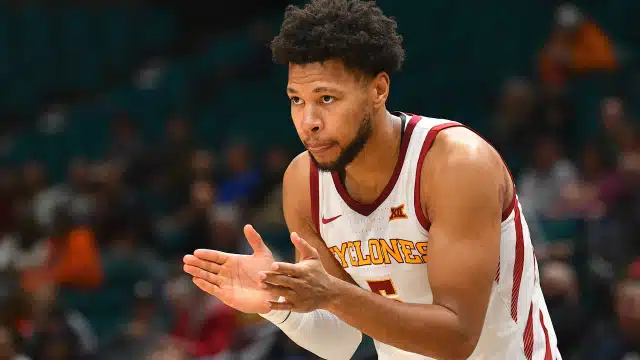
The second round lacks top-end star probability but contains rotational value. Upperclass rebounders, defensive specialists, and floor-spacing bigs, such as Joshua Jefferson (Iowa State), Aday Mara (Michigan), and Braden Smith (Purdue), project as cost-controlled contributors or two-way contract candidates. International stash prospects like Dash Daniels (Melbourne) offer longer timelines.
Overall, the 2026 NBA Draft class combines elite top-tier upside with functional mid-first depth. The top three prospects carry franchise-altering potential; the next ten to fifteen offer schematic versatility and scalable skill. As team needs crystallize post-trade deadline and medical intel sharpens, expect movement, but the structural strength of this class is real and measurable.
Subscribe to The YouTube Channel and Sign Up to The Newsletter!