

The Moment Everything Shifted
The Golden State Warriors did not plan for this version of the 2025–26 season.
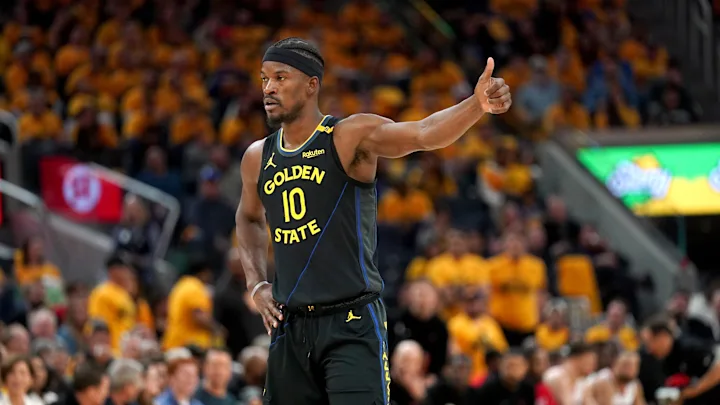
At 25–21, clinging to the eighth seed, they have no more room to fail. Then came the moment that changed everything, Jimmy Butler III going down with a torn right ACL on January 19. The move that was supposed to push Golden State back into contention suddenly became a cruel twist of timing.
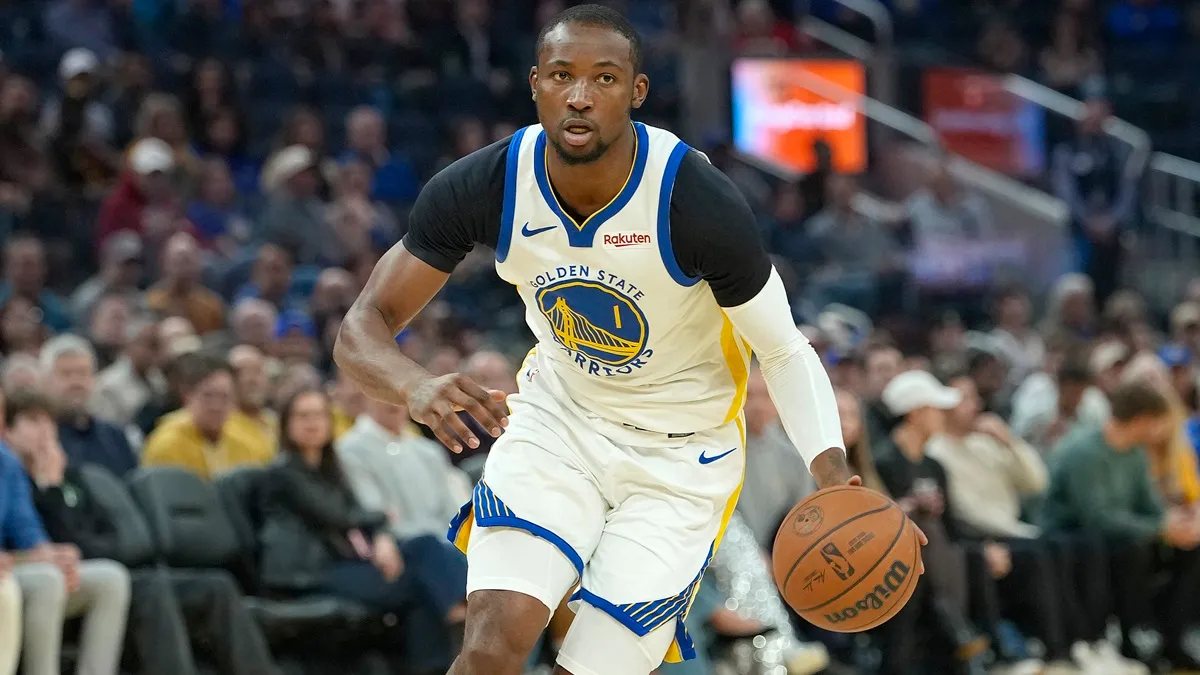
And just like that, Jonathan Kuminga was back in the spotlight.
Not because he asked for it. Because the Warriors needed him.

A Return That Felt Like a Statement
Kuminga’s comeback on January 20 against Toronto felt symbolic. After more than a month away, he didn’t ease in, he exploded.
Twenty points in 21 minutes. Efficient. Aggressive. Confident. He attacked the rim, ran the floor, and reminded everyone why his ceiling has always scared opposing front offices. For one night, it felt like the future arriving early.
Then basketball reminded us how fragile momentum can be.
The Injury That Froze the Conversation
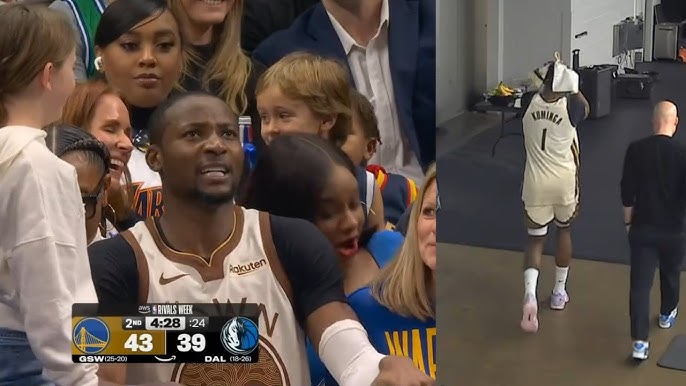
Two days later in Dallas, it happened again.
A drive. Contact. An awkward step. Kuminga stayed down just long enough for Warriors fans to hold their breath. He made both free throws, exited the game, and never returned.
Left ankle twist. Minor knee hyperextension. MRI scheduled.
Not season-ending, but enough to stall everything.
For a team already missing Butler, this wasn’t just another injury. It was uncertainty layered on top of uncertainty.
What the Numbers Actually Say
When emotions cool, the data tells a clear story.
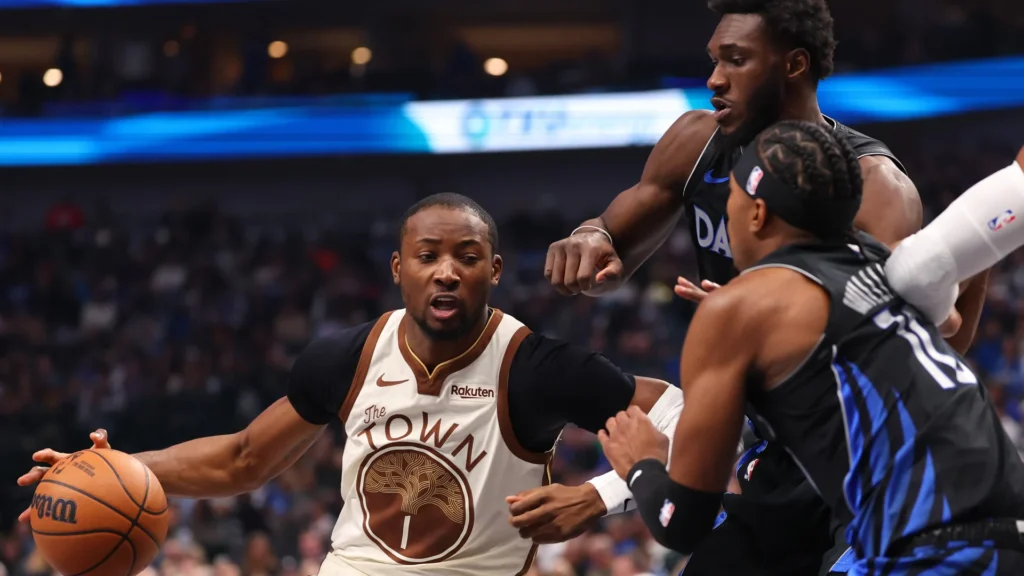
Kuminga’s raw season averages don’t jump off the page at first glance: 11.8 points, 6.2 rebounds, 2.6 assists. But context matters.
Per 36 minutes, he’s producing nearly 17.5 points and over nine rebounds. Golden State’s net rating swings dramatically depending on whether he’s on the floor. Opponents shoot worse at the rim. The pace improves. The lineups breathe.
Why the Warriors Feel Different Without Him
Since Butler’s injury, Golden State’s offensive efficiency has dipped. Their defensive identity has softened. The versatility that once masked flaws is suddenly missing.
Kuminga matters because he solves problems the box score doesn’t fully capture.
He runs in transition when legs are tired. He guards multiple positions. He absorbs physical matchups that would otherwise wear down veterans. Without him, the Warriors become older, slower, and easier to scheme against.
The Trade Noise Isn’t New, But the Timing Is Dangerous
Trade rumors followed Kuminga before this injury. They haven’t stopped after it.
His desire for a larger role is understandable. His value as a trade chip is undeniable. But dealing a 23-year-old forward with elite athletic tools, while his value is temporarily suppressed, would be a mistake rooted in impatience.
History isn’t kind to teams that sell upside too early.
The Bigger Picture Everyone’s Missing
Jonathan Kuminga is not just a rotation player.
He is Golden State’s bridge.
Between eras. Between timelines. Between a past built on championships and a future that demands youth, athleticism, and adaptability.
Advanced metrics quietly love him. Contract models scream surplus value. Comparisons to pre-breakout Pascal Siakam and Shawn Marion aren’t compliments, they’re warnings.
Let him grow, and you might discover you already have the next cornerstone.
Adversity or Opportunity?
Steve Kerr said it best: this is part of life. How you respond defines you.
For the Warriors, the response will reveal their long-term vision.
For Kuminga, this moment, the injuries, the rumors, the pressure, may be the furnace that forges his leap.
The MRI will bring clarity. The standings will keep tightening.
But one truth remains steady beneath the noise:
Jonathan Kuminga is still Golden State’s most important bet on the future.
And the smartest move might be trusting it.