

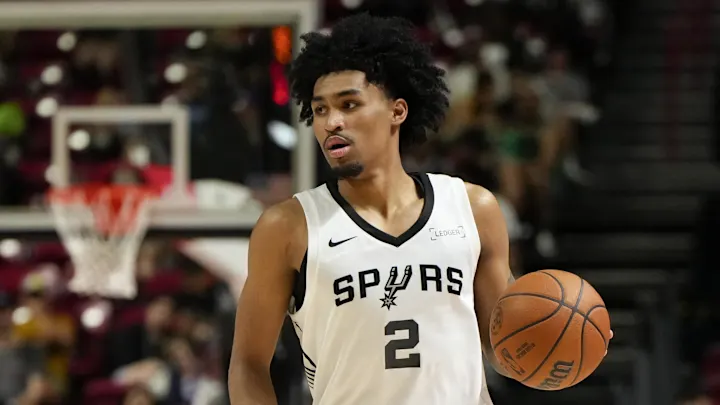
The San Antonio Spurs were dealt an early blow to their 2025-26 season when No. 2 overall pick Dylan Harper underwent surgery on Friday to repair a partially torn ligament in his left thumb. The injury occurred during a workout earlier in the week, according to reports from ESPN. While early indications are that Harper is expected to be available for the Spurs’ season opener on October 22 against the Dallas Mavericks, the injury still raises questions about his readiness and how it may impact his rookie campaign.
Understanding the Injury
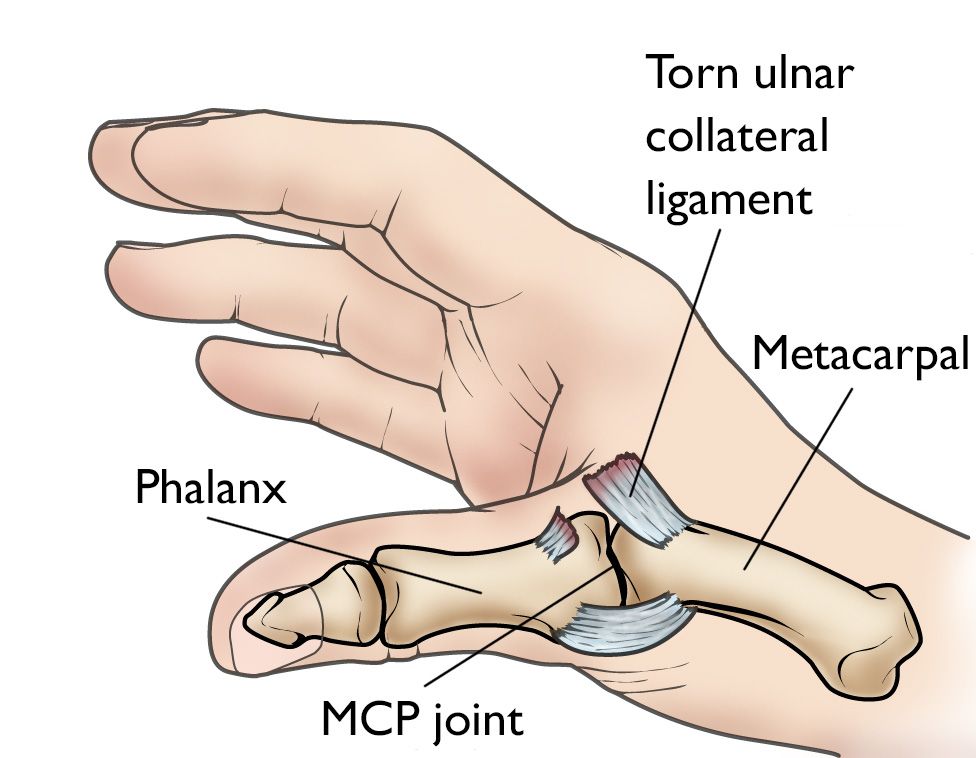
Harper suffered what is commonly referred to as a “Gamekeeper’s thumb” or “Skier’s thumb” injury—a partial tear of the ulnar collateral ligament (UCL) of the thumb. This ligament plays a critical role in stabilizing the thumb joint, especially during gripping, passing, and shooting motions.
- Impact in basketball: For guards and wings like Harper, thumb stability is vital. It affects dribbling control, passing accuracy, and ball security under pressure. Even a slight weakness in the ligament can alter shooting form and confidence.
- The surgery: Doctors typically repair the ligament with sutures or anchors to restore stability. Because Harper’s injury was only a partial tear, recovery timelines are generally shorter and outcomes are very positive compared to full tears.
Timeline and Recovery
The good news for the Spurs is that Dylan Harper’s surgery was successful, and the timeline for return is 6–8 weeks, which aligns with the hope he will be ready for Opening Night.
- Short-term: Expect Harper to miss the remainder of offseason training camp and preseason games. This could slow his early adjustment to the NBA’s pace and physicality.
- Long-term: If the rehab is followed closely and there are no setbacks, he should not experience lasting issues. Modern thumb ligament repairs carry a high success rate, and NBA players like Chris Paul and Rajon Rondo have returned to full form after similar injuries.
Impact on Dylan Harper’s Rookie Campaign
Harper was projected to be an immediate contributor alongside Victor Wembanyama, giving San Antonio a young dynamic backcourt. The surgery, however, could delay his ability to hit the ground running:
- Chemistry with Wemby: Missing camp and preseason means fewer reps building pick-and-roll rhythm with Wembanyama, which was expected to be a major part of the Spurs’ offense.
- Shooting form: Depending on how quickly his thumb regains strength, Harper may need to adjust his shooting mechanics early in the year. Confidence from deep is often the last part to return after hand injuries.
- Rookie of the Year chase: Even if Dylan Harper doesn’t miss regular-season time, the delay in development may affect his statistical production early in the season compared to rookies with full offseasons of preparation.
What It Means for the Spurs
The Spurs entered 2025-26 with high hopes. Wembanyama’s rise, coupled with Harper’s scoring and playmaking, positioned San Antonio as one of the most exciting young teams in the NBA. Harper’s thumb injury doesn’t derail those plans, but it does create a few complications:
- Rotation adjustments: Expect Rob Dillingham and Jordan McLaughlin to see more ball-handling opportunities during training camp and preseason.
- Pacing Dylan Harper: Even if he’s medically cleared by opening night, the Spurs may limit Harper’s minutes or workload to ensure long-term health.
- Early-season struggles: Without Dylan Harper fully integrated, the Spurs may start the year a step behind offensively. However, if he returns strong, they could find themselves peaking later in the season, potentially positioning for a playoff push.
Is This a Long-Term Concern?
The Spurs’ medical staff and Dylan Harper’s camp have made it clear that the injury should not affect his long-term career trajectory. Partial UCL tears, once surgically repaired, rarely re-tear if rehab is completed properly. The key will be avoiding re-injury early in the season—something the Spurs will monitor closely.
Players with similar thumb surgeries—like Chris Paul, Kobe Bryant, and Jimmy Butler—all returned to elite form without lingering limitations.

Final Thoughts
While the timing of Dylan Harper’s injury is far from ideal, it’s more of a short-term setback than a season-altering blow. If Harper follows his recovery plan and the Spurs ease him back into action, he should still be able to showcase his full potential in his rookie year.
For San Antonio, the priority remains clear: don’t rush the No. 2 pick back. Harper and Wembanyama represent the future of the franchise, and ensuring their long-term health outweighs any early-season growing pains.
The Spurs faithful may need to wait just a bit longer to see their backcourt of the future in full swing—but once Harper returns, the excitement around San Antonio basketball will be as strong as ever.