

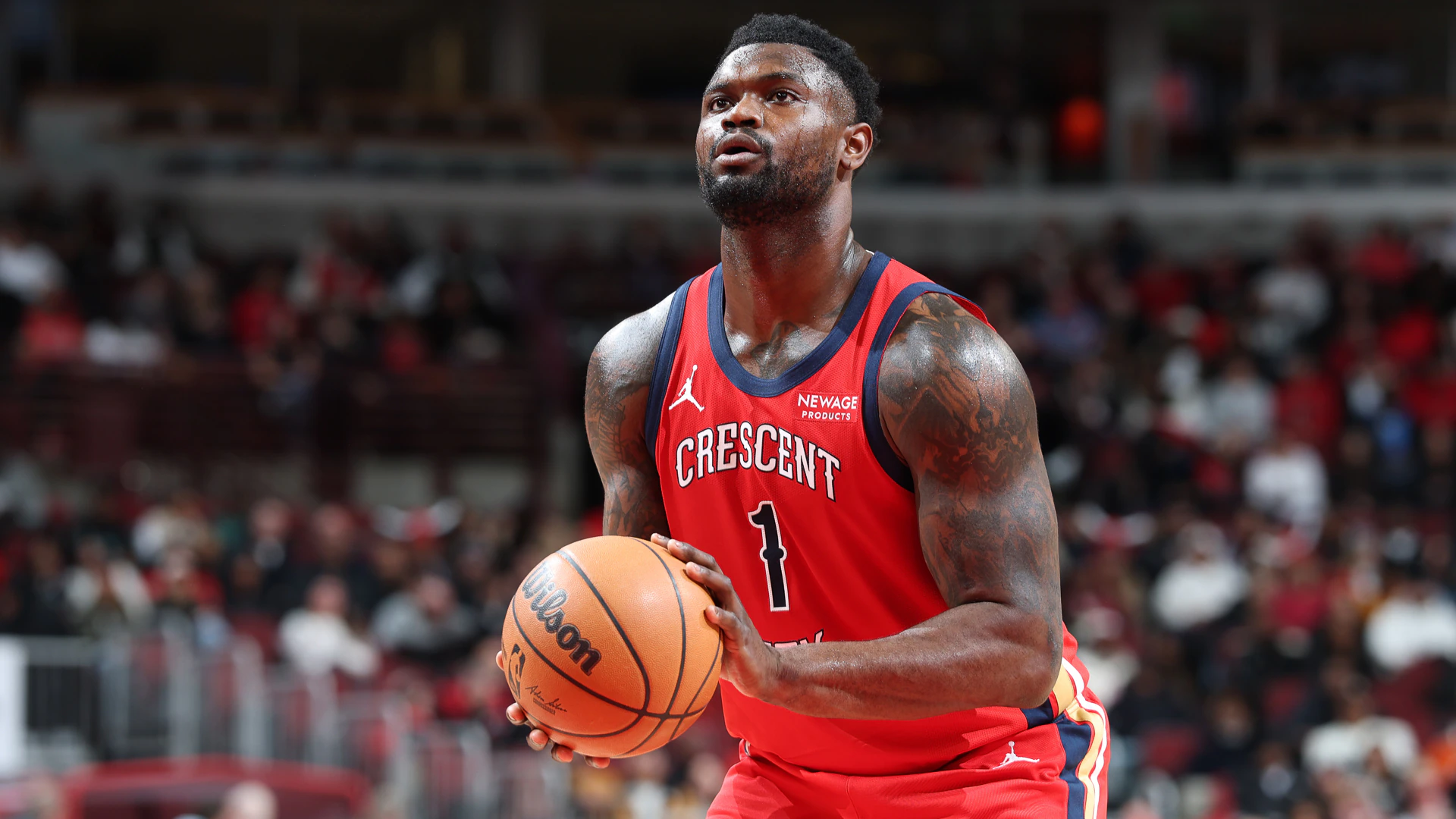
The New Orleans Pelicans are officially at a crossroads. Sitting at 5–22, dead last in the Western Conference, the 2025–26 season has spiralled fast. And once again, the franchise’s future circles back to the same question it has wrestled with for six years:
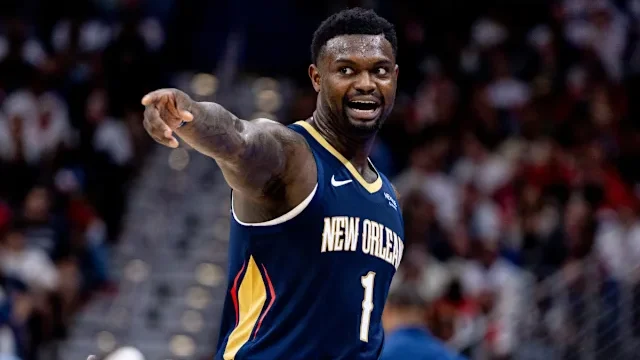
What do you do with Zion Williamson?
At just 25 years old, Zion remains one of the most physically dominant players the NBA has ever seen. But availability, durability, and stagnation have turned a once-clear future into a fog of uncertainty. With trade rumors intensifying and analysts openly calling for a reset, the Pelicans are facing a franchise-defining decision.
This is the full breakdown: history, stats, positives, negatives, and the hard truth.

Zion Williamson: From Generational Prospect to Ongoing Question
Draft Pedigree & Early Promise
- Drafted No. 1 overall in 2019 out of Duke
- Entered the league labeled a generational athlete
- Immediate impact whenever on the floor
The Peak
2020–21 season (age 20):
- 27.0 PPG
- 7.2 RPG
- 3.7 APG
- 61.1% FG
- One of the most efficient high-volume scorers in NBA history
- Looked like a future MVP-level cornerstone
The Reality Since
Injuries have rewritten the story:
- Missed entire 2021–22 season (foot surgery)
- 29 games in 2022–23
- Repeated hamstring and adductor injuries (2023–25)
- Only 11 games played so far in 2025–26
Career availability:
Zion has played 225 games over 7 seasons, missing roughly 56% of all possible games.
The Numbers: Career vs. 2025–26 Decline
Career Averages
- 24.5 PPG
- 6.6 RPG
- 4.3 APG
- 58.5% FG
Elite. Rare. Historically efficient.
2025–26 (11 games)
- 21.7 PPG (lowest since rookie year)
- 5.6 RPG
- 3.8 APG
- 50.9% FG (career low)
- *0 made three-pointers
- 58.1 TS% (career worst)
Advanced metrics show the same trend:
- PER: 21.0 (still good, but declining)
- Less rim pressure
- Reduced explosion
- Fewer defensive possessions survived with him on the floor
This isn’t bad basketball, but it’s no longer franchise-altering basketball.
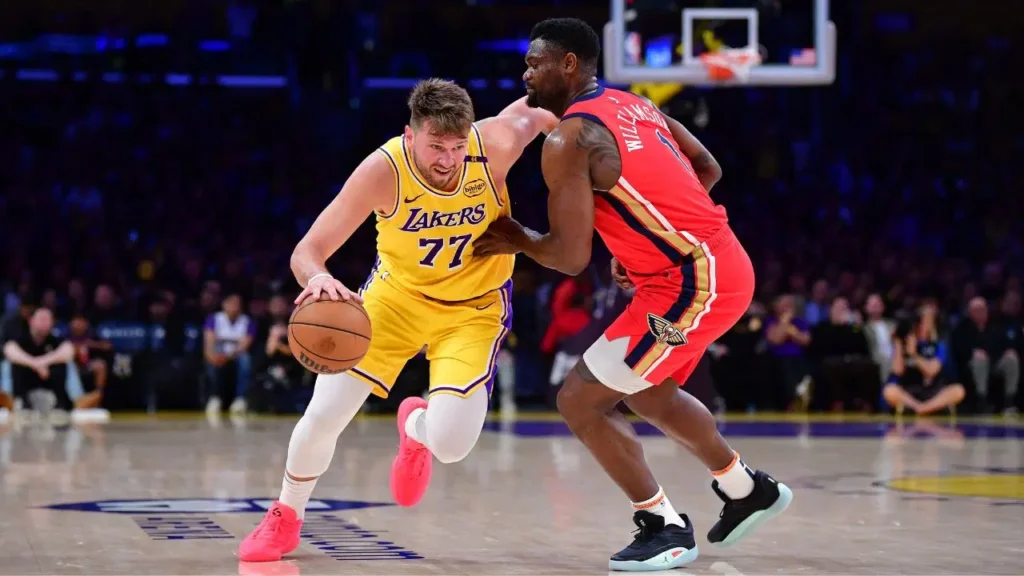
The Pelicans With Zion: A Stagnant Era
Team Context (2025–26)
- Record: 5–22
- Net Rating: -8.6 (28th in NBA)
- Offensive Rating: 113.2 (24th)
- Defensive Rating: 121.7 (29th)
Even when Zion plays, the team struggles:
- Poor spacing
- Defensive breakdowns
- No consistent identity
Best postseason result in the Zion era:
Play-in wins and first-round exits.
No Conference Finals. No sustained momentum.
Six seasons in, the Pelicans are still searching for direction.
The Contract Factor
- Signed a 5-year max extension in 2022 ($193–231M depending on incentives)
- Includes weight and games-played clauses
- Reports indicate portions became non-guaranteed due to missed thresholds
- Some salary guarantees were restored after 2024–25 benchmarks
The contract gives New Orleans leverage, but also pressure. Waiting too long risks the asset depreciating further.
The Case FOR Keeping Zion
There is a positive argument, and it’s real.
- When healthy, he is unstoppable
One of the best paint scorers ever, drawing constant doubles. - Only 25 years old
Prime years theoretically ahead. - 2023–24 season (70 games)
Showed All-NBA-level impact when finally healthy. - Marketability & fan connection
Zion still sells hope in New Orleans. - If he strings together a healthy stretch, his trade value could rise again.
Betting on Zion means betting on a version of the future that hasn’t existed consistently, but isn’t impossible.
The Case FOR Trading Zion
This is where the evidence becomes overwhelming.
- Availability is the story
One 60+ game season in six years. - Recurring soft-tissue injuries
The most difficult type to fully solve. - Production is trending downward
Lower efficiency, fewer rebounds, less playmaking. - Team fit issues
Poor defense, cramped spacing, no elite shooters to complement him. - Trade value window is shrinking
Further injuries could collapse it entirely. - Organizational fatigue
Weight clauses, suspension for team policy violations, no playoff progress. - Rebuild indicators flashing
5–22 record, young players like Trey Murphy III and Derik Queen showing promise.
At some point, hope becomes inertia.
The Verdict: Should the Pelicans Trade Zion Williamson?
Yes. They should.
Not because Zion lacks talent, but because the evidence is overwhelming:
- Six years.
- One healthy season.
- No sustained success.
- Declining impact.
- A roster stuck between timelines.
The Pelicans aren’t failing because of Zion, but they are trapped with him. Trading Zion now allows New Orleans to reset, stockpile assets, and rebuild around availability, youth, and flexibility instead of waiting on a health miracle that hasn’t arrived.
If Zion suddenly plays 65+ games at peak form, this decision could age poorly.
But betting against the data has already cost the Pelicans six seasons.
Sometimes, the hardest move is the right one.