

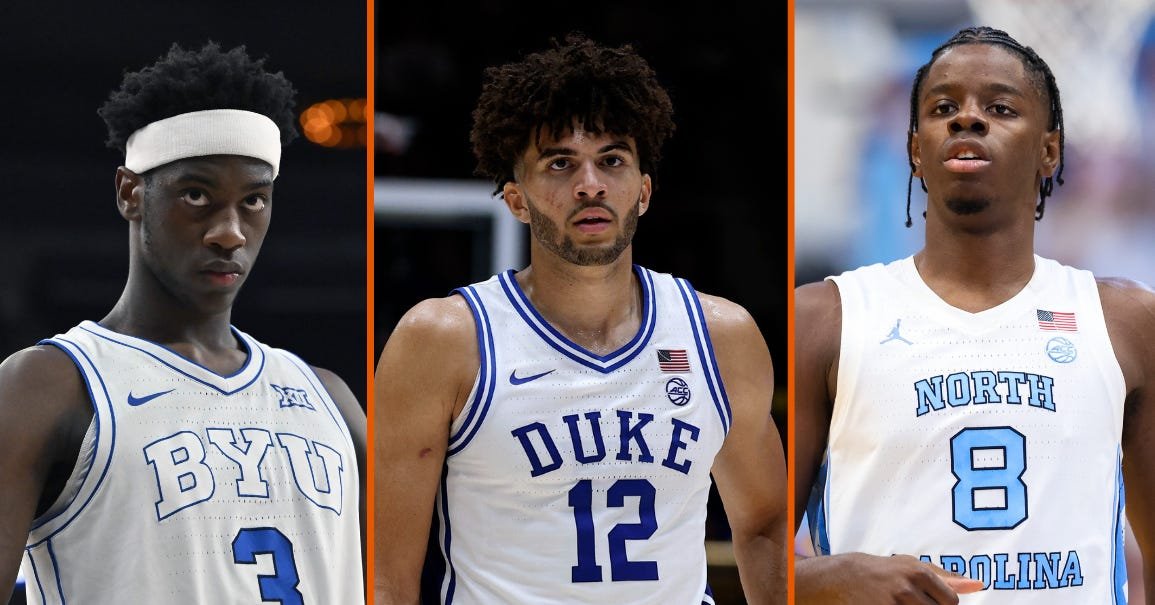
In the 2026-27 season, no one expected these rookies to be this good. 4 rookies are averaging at least 19 points, with Darius Acuff Jr., the 7th pick from Arkansas, even averaging a mind -boggling 26.1 points, more than Victor Wembanyama, Cooper Flagg and Jalen Brunson.
All the hype surrounding the 2026 rookie class may have been beyond true. This single rookie class may be one of, if not the deepest and most talented draft ever produced, with future All-stars, All-NBA and hall-of-famers spreaded throughout just the top 10 of the class.
But is this a genuinely exceptional generation of basketball players, or has the modern basketball development system just made rookies more NBA-ready than ever before? I wanted to find out, so I went through thousands of lines of data and hundreds of reports, and I think I found the answer.
What happened to being a rookie?
Traditionally, maybe a decade ago, rookies entered the NBA needing time, sometimes dozens of games, to adjust to the new physicality, speed, complexity and quality of the game compared to the previous competition that they had been playing against, creating a steep learning curve.
Even highly drafted prospects often struggled with efficiency, consistency and decision making, but over the last few years, rookies have become more and more capable of adapting to NBA competition within their first 3 games. The 2026 class, however, is taking this even further.
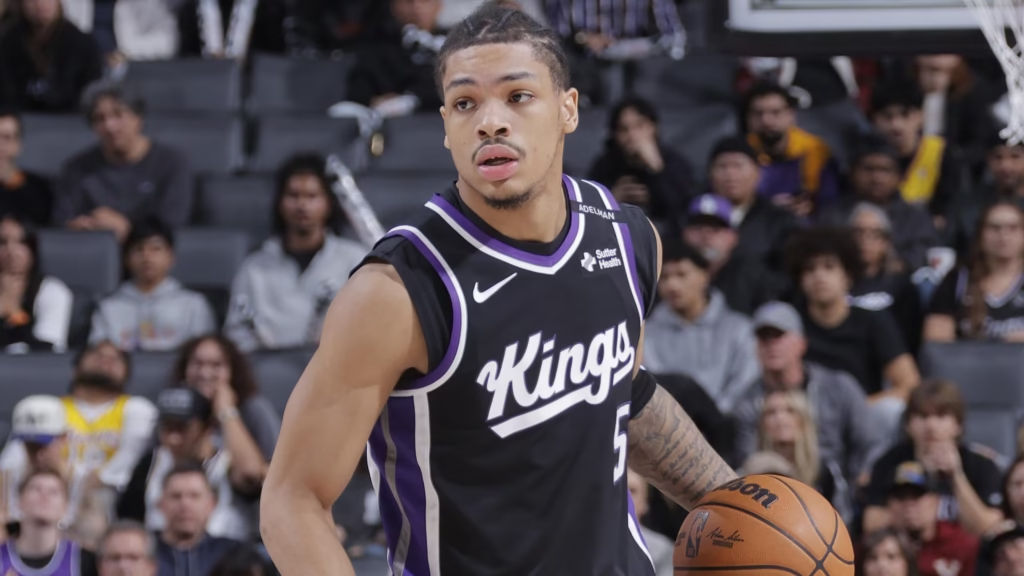
First, we have to start with Darius Acuff Jr., because what he is doing for the struggling Sacramento Kings is absurd. Scott Perry, Sacramento Kings’ General Manager, basically told Acuff before he even debuted for the Kings that he would be the number one option on scoring on day one, and clearly he meant it.
At only 19 years old, Acuff Jr. is leading the NBA in field goal attempts, chucking up 23.6 questionable shots a game. Clearly the previous rule off adjustment to the league got to Acuff, as only 9.6 of his field goals went in. At the volume he is shooting at, a 40.6% field goal percentage is abysmal, but the Kings trust their future in his hands.
Out of every rookie in the 2026 class averaging at least 10 points, only 2 off them are shooting 50% from the field, the standout forward from Michigan who was drafted 11th overall to the Golden State Warriors Yaxel Lendeborg, and the consensus number one overall pick out of BYU, AJ Dybansta.
It is too early in the season to determine anything substantial, but last seasons rookie class had 20 different rookies averaging at least 10 points, but only 2 that averaged more than 18 points a game. In 2025, one of the weakest classes in the modern era, only 9 players averaged 10 points.
To find a class on the same level as the 2026 draft class, I believe we have to go back to the 2022 draft class, where Cade Cunningham, Jalen Green, Scottie Barnes, Franz Wagner, Evan Mobley, Josh Giddey, Alperen Sengun, Jonathan Kuminga, Austin Reaves and tons of other gems all played their first season.
This season’s draft class is as talented as some of the best drafts in NBA history, with the only potential rivals being the legendary 1984, 1996 and 2003 classes. Maybe I am overhyping this gifted class, but most of the players already play and act like established NBA stars.
2. The evidence: This class isn’t playing like a normal rookie class (250–300 words)
Out of every single rookie that is scoring at a decent volume, which, in my scenario means at least 5 points per game, 10 of the top 20 scorers have shot at least 50% from the field with a minimum of 3 games played. This is a signal of how developed the rookies of the modern era are, but what about the other stats?
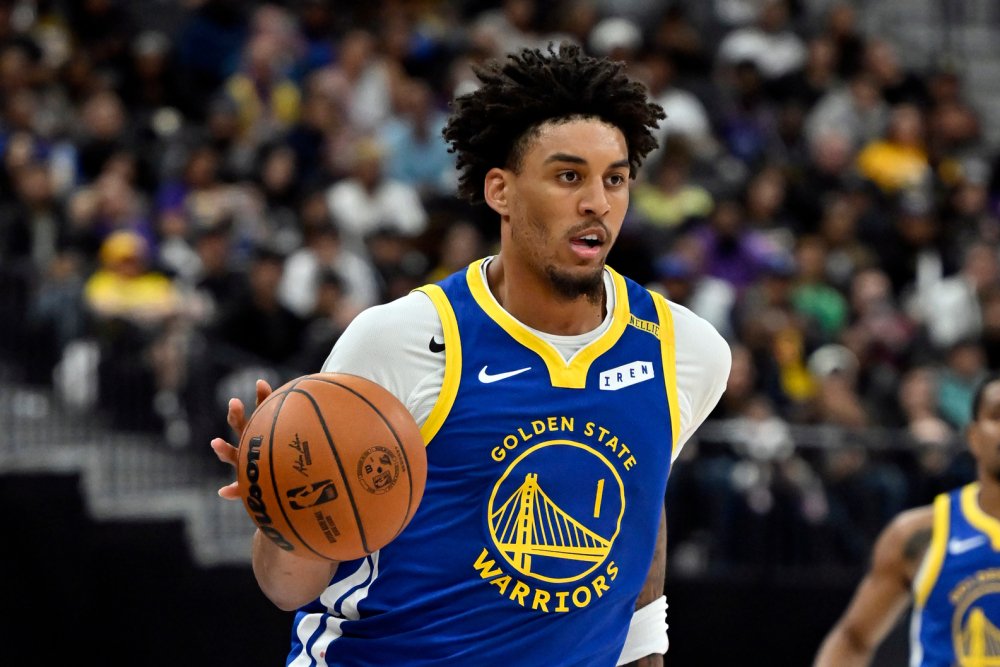
One of the most ball-dominant rookies I have ever personally witnessed is Darius Acuff Jr., who currently commands a 32.5% usage rate for the Sacramento Kings. The next rookie to even appear on this list is the breakout future superstar Yaxel Lenderborg, who uses 26.7% of the Golden State Warriors plays.
It isn’t all perfect though. Kingston Flemings seems to have been struggling the most, sitting at a 25% turnover rate and is a -1.9 on the box plus minus, even though he was primed to be one of the best shooters in the league out of Houston. He is playing 20 minutes a night and shooting 46.7% from 3, so clearly the competition is just a bit harder for the youngster.
Don’t just look at scoring. A rookie averaging 18 points on poor efficiency is very different from one averaging 15 points while making efficient decisions and contributing defensively.
Why are these rookies so NBA-ready?
So what are the rookies of the modern era doing so differently compared to their predecessors, and why are they so capable of doing this so early in their careers? This is one question I continue to relay over and over in my head, and I may have found a definite answer to the perplexing puzzle.
The modern prospect is developing in a completely different environment compared to the past generation of basketball players. In previous drafts, you had a few good players, perhaps in some there was only one, but then you also found some gems hidden beneath the depths. It feels like the modern game is only hits and you hear about the busts more because people have become so use to every draft prospect being a “perfect” player.
Modern players have year-round basketball development and elite youth academies, AAU basketball and increased competition from a young age, advanced strength and conditioning programs, professional coaching and development specialists and greater access to film and performance technology, but is this really the answer I was looking for?
No. So I dug a little deeper.
Today’s prospects are entering the NBA with considerably more experience in high-level basketball. The NCAA and NIL deals have completely changed how college basketball is viewed. Older prospects are spending more time developing physically and technically, and international players are competing for years at a young age to prepare them.
Yaxel Lenderborg is a perfect example of this. The 11th pick of the draft is a 24 year old who has already played at junior college, UAB and Michigan for
Yaxel Lendeborg is an interesting case study. The 11th pick is 24 years old, having played at junior college, UAB and Michigan before entering the NBA for 6 entire seasons. He had limited early life experience in basketball, not seriously playing basketball until 18 years old, but through college, he managed to turn himself into a future star averaging 21.5 points in his first year already.
Rebuilding teams, such as the Sacramento Kings, Chicago Bulls, Golden State Warriors and the Memphis Grizzlies, are giving their rookies significant minutes and roles before they even prove themselves, with entire offensive systems designed to create opportunities for them.
If you enjoyed todays blog, I would highly recommend my new YouTube channel. We are posting 1-2 long-form documentary videos breaking down the insides of the game every single week!