

Table of Contents
The NBA created the 65-game rule to reward players who were consistently showing up and being available for their team, while eliminating load management. Instead, it has just created one of the most controversial award races in the last 15 Years.
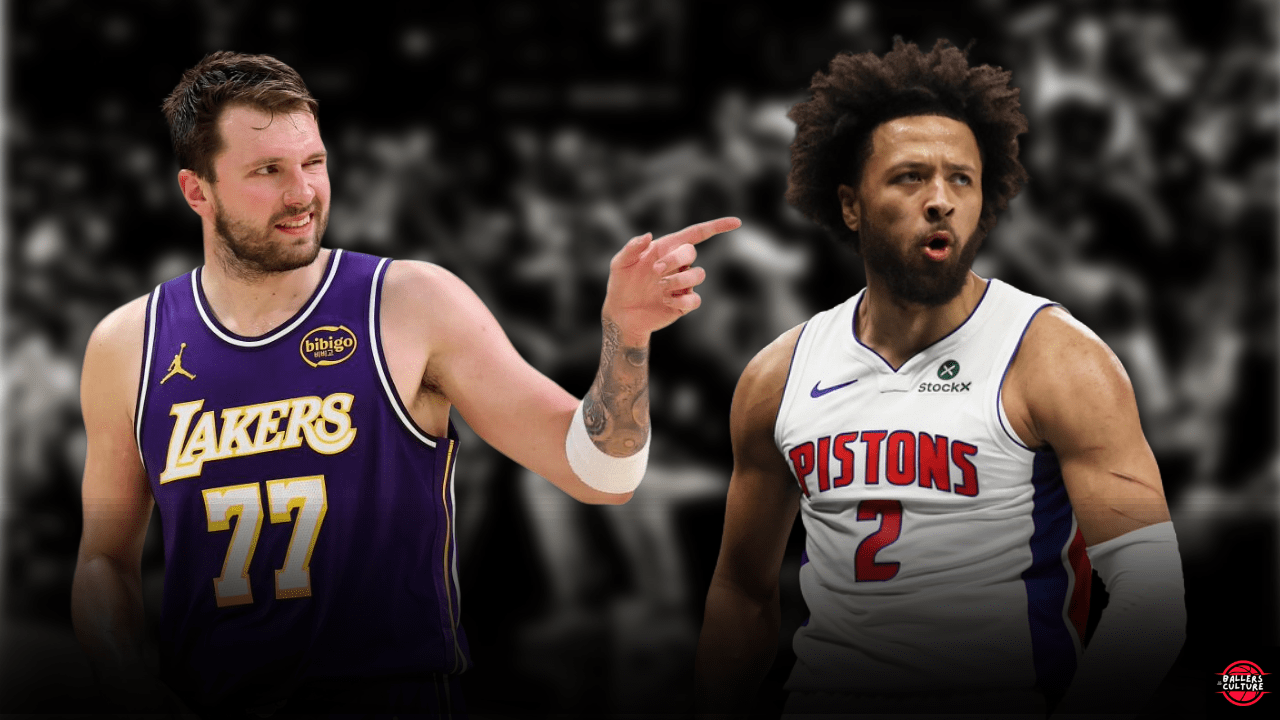
The NBA decided that Luka Doncic and Cade Cunningham were eligible to contend in the award races, while a superstar like Anthony Edwards was denied the chance to compete. The same rule applies to 2 different incomes for 3 different players.
So the real question is not who just benefits, but whether the system itself actually works still, and if the NBA should either update the rules and make it more fair, or just completely abolish it and allow players and teams to load manage the entire season.

What Actually Is The NBA 65-Game Rule?
A player must log at least 65 games to qualify for postseason awards, with exceptions for 63 and 64 games (as Luka and Cade did). In each of those games, you must log at least 20+ Minutes in every single game; this rule applies to the MVP, All-NBA, ROTY, DPOTY, and all other major awards.
It was made to reduce load management, which is a strategy where a fully healthy player decides to rest himself to reduce and prevent fatigue and injuries, usually targeting back-to-back games. This ensures stars play meaningful portions of the season, while increasing viewership.
There is a hard cutoff; if you don’t qualify, then the NBA just removes your eligibility, and with voters and fans valuing players who actually play games more than ones who are always missing time, you start to see the bigger picture, which is that the NBA wants happy fans.
The “Fairness” Involved in The Rule
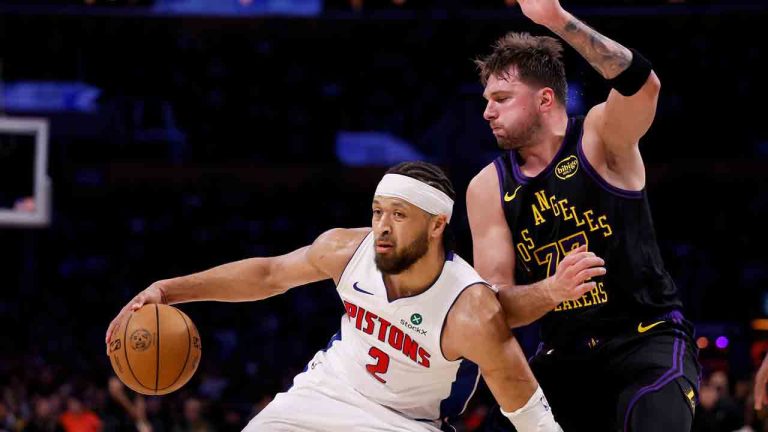
Luka Doncic (64 Games) → APPROVED
Luka Doncic missed the cut just by 1 game, and all the reasons he missed time were completely out of his control. The 1st one was the birth of his child, for which the Lakers approved him traveling back to his home country in Slovenia to meet his daughter.
The 2nd, and perhaps most devastating reason that Doncic missed time with is the season-ending hamstring injury he sustained on April 2nd vs the Thunder, where it was later diagnosed to be a grade 2 hamstring strain, no minor injury.
Since he was only 1 game short, the league and the NBPA approved him to compete for postseason awards under “extraordinary circumstances”, which means that the events that happened were completely out of his control, and he could have played in the games he missed if the event had not happened.
Cade Cunningham (63 Games) → APPROVED
Cade Cunningham’s case is also a very particular case, because the injury in no way was his fault. Cunningham suffered from pneumothorax, otherwise known as a collapsed lung. The injury occurred on March 17th vs Washington after a defender landed on him after a loose ball.
The late-season injury forced him to miss 11 games, and with the way he was dominating all season, he could have proved with statistics that he was going to play in most of them. Since he played 63+ games, he was allowed to be fully eligible for awards, including a well-deserved All-NBA 1st Team.
Anthony Edwards (60 Games) → RULED OUT
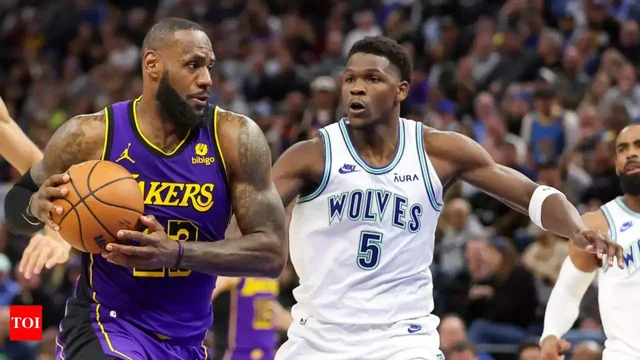
What I think is the most absurd case for the award is the exception that was denied for Anthony Edwards. Yes, Edwards played only 60 games, but he missed time due to numerous knee and ankle issues, while also dealing with a Non-COVID illness.
He was 4-5 games short, and even though the case went through an independent arbitrator, the exception was rejected, resulting in Edwards being completely ineligible for postseason awards, something that apparently did not bother Ant that much, per his Agent.
Does The Rule Really Need To Be Here?
First of all, playing in 65+ games in the NBA reflects durability, supports team success, and prevents any players from overinflating their statistics by playing fewer games. When stars start to skip games strategically, the fans who are paying end up disappointed. The rule forces accountability.
There have been many inconsistencies in the exceptions throughout the years, this season being no exception. Luka Doncic was allowed because of an injury, and his family, Cade Cunningham was allowed due to a rare injury, but Edwards was denied because he played 3 fewer games than Cade.
Anthony Edwards still played in 75% pof the season, but his elite production has been completely removed from all the awards. There must be a better way to qualify players, because now the MVP is influenced by games played, not outstanding performance.
This rule didn’t just filter out the players who did not show up consistently; it reshaped the ballot structure. The rule solves 1 problem, which is load management, but creates another in the inconsistency and brutality of the exceptions.
Luka Doncic and Cade Cunningham being eligible feels fair; they give the fans what they want, but leaving out players like Cade and LeBron feels harsh, taking away their incredible production and skills from a race they should be allowed to compete in. That contradiction is the issue.
What I propose is that you make every single player go over a medical test before and after every game, and fully log every single player to maintain full transparency. They must do this, and fines will apply to players who don’t comply, and teams that cheat will get suspended.
Not only does this create an easy way to see if players are actually injured or just want rest, but if players want rest, they will be allocated 10 games every season where they can rest, and they can choose when they want to use these games. This also gives fans and journalists a new way to analyze injuries, as all the data will be public.
If you enjoyed this breakdown, then please check out our other blogs on the homepage and follow us on X for daily news updates and highlight plays.