


Subscribe To The YouTube Channel For Our Latest Video On NBA Expansion.
The NBA is known as one of the biggest American sporting franchises, but the league didn’t simply export basketball to the world. They built a business model that could sell the same game, players and stories across television, streaming, social media, merchandise, sponsorships and international markets.
Table of Contents
During the 2025-26 NBA season, the league generated approximately an astonishing $14.5 billion in revenue according to numerous figures by Eurohoops. It’s current nation media agreements are worth approximately $76 billion over 11 years, but no one can overlook the league’s relatively small start as an American basketball comptetition in 1946.
The Basketball Association of America was founded in 1946, and by 1949, it merged with the National Basketball League to form the National Basketball Association. It took years for it to become truly profitable, but by the modern era, the NBA now reaches fans in 214 countries and territories, with games and programming now distributed in more than 50 languages.
Merchandise is sold in more than 200 countries, and the NBA now operates more than just it’s flagship league, it has a wider ecosystem that includes the WNBA, the NBA G-League, NBA 2K League and Basketball Africa League, with all of these subsidiaries included in their interconnected business model.
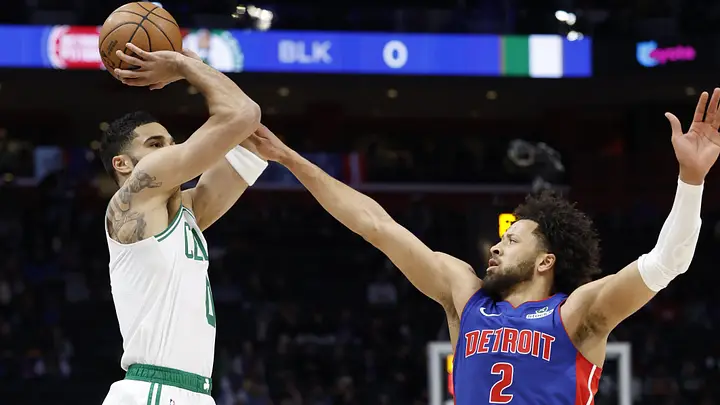
The first major breakthrough: Selling American basketball to the world
The NBA didn’t just suddenly expand to almost every country in the entire world by accident. It was the result of decades of strategic marketing campaigns, television distribution, and superstar promotion.
During the early 1980’s, the league was in a truly dark place. The NBA had stars, but it didn’t have the central generational superstars that defined an entire era of basketball. But after the 1979 draft, the rivalry between Magic Johnson’s Lakers and Larry Bird’s Celtics helped revitalise and set a new tone for American television.
By 1984, the most talented and sought after phenomenon entered the league. By the time Michael Jordan was an All-Star, the league already began building around individual superstar personalities, not just teams, and when David Stern became commissioner of the league the very same year, the gears started to shift.
Stern pushed for international expansion, global broadcasting and commercial partnerships, even negotiating with the Olympic association to allow NBA players to compete in the Olympics for the first time in history, and once the 1992 Dream Team were allowed to compete at the Barcelona Olympics, NBA global marketing history had been made.
The 1992 USA Olympic Team featured Michael Jordan, Magic Johnson, Larry Bird, Charles Barkley, Scottie Pippen and other NBA legends, winning all eight of their Olympic games by an average 44 points. Obviously, they won gold, but this was more than a flimsy medal, the team became a global attraction, exposing millions of international fans to NBA-level basketball.
The team was essentially a massive marketing campaign for NBA basketball, and this model continued to work until 2004, where the NBA may have been embarrassed more than celebrated.
The 2000’s were a particularly interesting decade, as the league began to develop deeper relationships with international broadcasters and markets, specifically China and India. By the 2010’s, social media, streaming and international superstars emerging from the most unexpecting countries accelerated global engagement.
The superstar economy: Why the NBA sells players, not just basketball
The NBA’s business model is unusually dependent on individual personalities. Players are athletes, but they are also international brands, marketing assets and cultural figures, and the true pioneer of this business model was Michael Jordan, who provided the blueprint for the future.
Jordan’s partnership with Nike transformed athlete endorsements into enormous consumer businesses, and the launch of Air Jordan helped create a product identity that extended beyond basketball. His global popularity helped make the Chicago Bulls one of the most recognisable sports brands in the world.
The modern superstars follow a similar story. LeBron James has endorsement deals, media production rights, business investments and global recognition, Stephen Curry has massive partnerships and a global popularity that perhaps even surpasses LeBron’s, and it isn’t just the veterans, the younger players like Luka Doncic and Victor Wembanyama are also global phenomenon’s.
During the 2025-26 NBA season, LeBron James, at 40 years old, generated 2.85 billion social media views across television advertisements, highlights, interviews, memes and short-form content, making him the most viewed player in the entire world. A game might attract an audience once, but a superstar can do that every day.
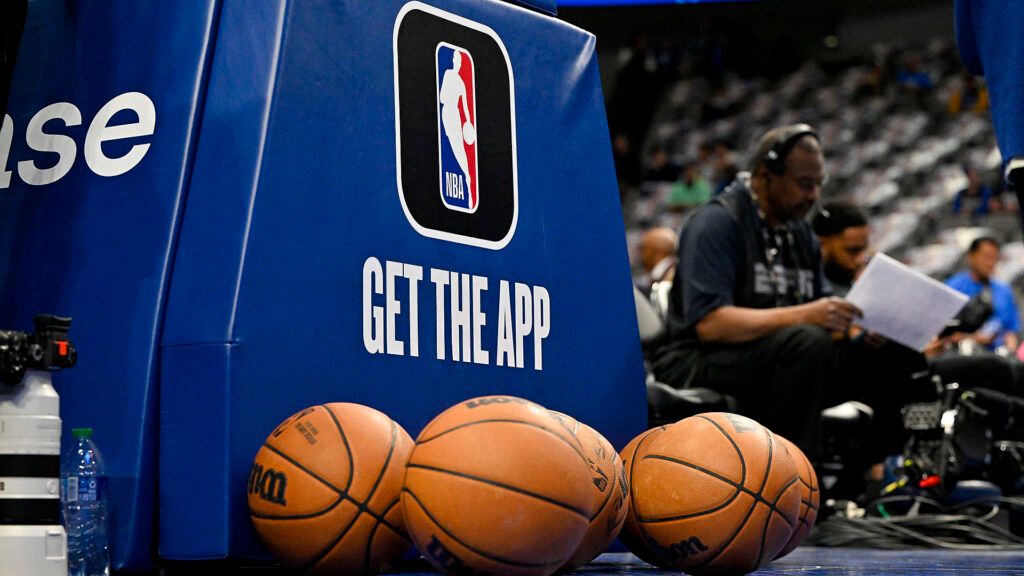
Social media: Turning every NBA highlight into a global advertisement
The NBA has an advantage compared to the other major professional American sporting leagues and many traditional sports in general: basketball as a sport is naturally suited to perform well as short-form digital content. A 40-minute football match has a handful of major moments, an NBA game can produce dozens, if not hundreds of spectacular dunks, blocks, crossovers, threes, controversies and individual performances.
The NBA generated a record 228 billion social media views during the 2025-26 regular season, up 13% year-on-year. More than 1.3 billion hours of live NBA coverage were consumed across measured global markets on linear and streaming platforms, and that is excluding the League Pass.
107 million people in the United States alone watched NBA games during the regular season, the highest figure in 24 yeas. The league’s digital ecosystem includes Instagram, TikTok, YouTube, X, Facebook, Weibo and the NBA App. The highlights allow international fans to follow the league without watching entire games.
But social media has a hidden benefit that is commonly overlooked: it allows the NBA to introduce it’s content natively to younger audiences. The NBA can distribute it’s own content, create viral moments that eventually lead to awareness, and since their accounts are all centralised, it becomes easy for everyone to follow, highlights are basically, however, a free marketing tactic.
NBA Sponsorships and merchandise: Turning attention into money
Once the NBA developed this massive global audience, brands gained a powerful reason to pay for access to it. According to GlobalData, the NBA’s sponsorship revenue was at $1.15 billion in 2024-25, involving 68 different brands. Massive corporations such as Nike, Google, Pepsi and Emirates have paid millions for jersey advertising, court sponsorships, branded events and official product partnerships to create a commercial inventory.
But the promotion is the beauty of the league’s model. A fan can buy a jersey and a pair of shoes while playing NBA 2K and watching League Pass without even being in the same country as the games. The league’s global merchandise distribution makes international fandom commerically valuable.
The NBA’s international business is not longer just about exporting their American teams for entertainment, international markets now contribute players, audiences, sponsors and future growth opportunities that suppress the United States itself in overall opportunity cost.
The game has become so international, with 135 international players from 43 countries and territories featured on a 2025-26 opening night roster. Every NBA team had at least one international player, and according to my data, that’s the first time in NBA history this has occurred.
71 European players were represented, including a new record of 19 French players, but Africa also represented 55 players. International players have become central to the league’s competitive and commercial identity, which is why they remain so passionate to expand to both Asia and Europe.
There are realistically three leagues that the NBA should expand to even further, with the first being the World’s biggest market: China.
The NBA established it’s Hong Kong office in 1992, and eventually formed NBA China in 2008. The NBA became the first major American professional sports league to play games in China in 2004, but the most substantial conversation with China came from Alibaba.
In 2019, Alibaba partnered with the NBA and offered their content and merchandise access to nearly 700 million consumers across Alibaba platforms. China demonstrates the scale of international opportunity, and we haven’t even touched on other markets such as South East Asia, Japan, Korea, India or the Middle East.
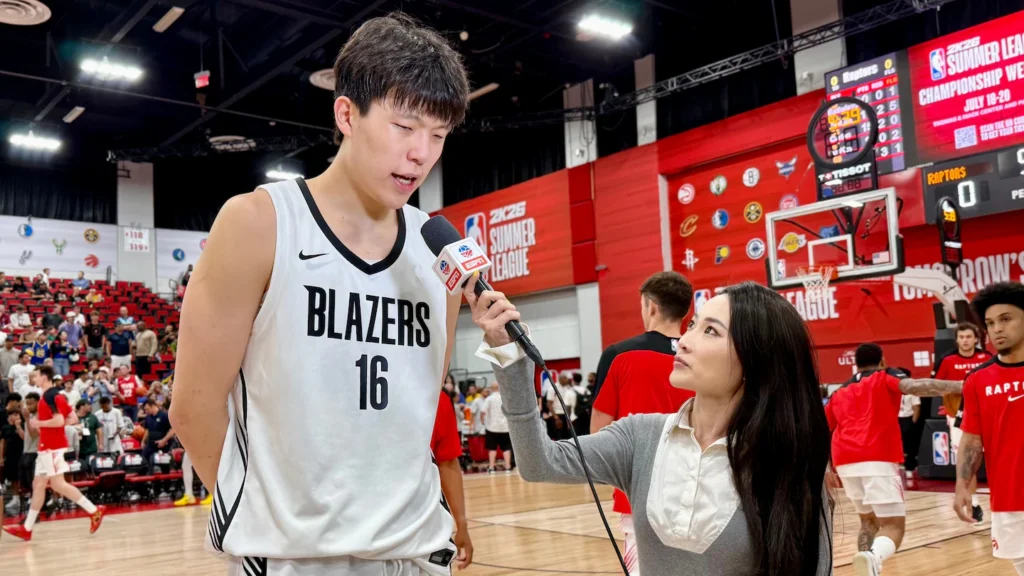
The NBA’s business model’s biggest challenge: Growth without losing the product
Of course, the league is nowhere near perfect. Fragmented broadcasting means that fans may need several subscriptions to follow the league, and the time zone different means that international fans cannot watch live games conveniently, and because of that, piracy of highlights and unofficial streams compete with paid access.
Player availability is an issue that is arising amongst NBA stars, with load management and star absences damaging the total value of expensive broadcast products, and International competition such as the Euroleague and the CBA aren’t going to simply allow more competition into the market.
The NBA’s growth is not simply the result of havving the world’s greatest basketball players, it comes from building an interconnected business ecosystem around the players and the game itself. A basketball game is a television product, and the player and the teams are the global brands.
A highlight is simply a marketing campaign, while jersey’s are a consumer product, with the international fan becoming the customer. The NBA’s greatest achievement was not making basketball popular, it was creating a business model capable of turning that popularity into billions of dollars.
Final Notes From BallersCulture:
1. The NBA’s most valuable product is its intellectual property. The league owns and licenses the logos, team identities, footage, trademarks and other assets that allow it to generate revenue well beyond ticket sales.
2. The NBA has a distribution advantage over traditional sports. Basketball is relatively easy to package into short clips, player stories, statistics and digital content. That creates more opportunities to reach audiences outside live broadcasts.
3. The NBA’s players are its international sales force. Giannis connects the league to Greece and Nigeria; Luka to Slovenia and Europe; Wembanyama to France; and Shai to Canada. The league’s talent increasingly reflects the markets it wants to reach.
4. The NBA sells an entire lifestyle, not just a sport. Sneakers, streetwear, music, video games, celebrity culture and fashion all contribute to its commercial identity.
5. The next phase could be international competition and expansion. The NBA’s interest in developing a stronger European basketball presence, alongside the growth of the Basketball Africa League, shows that its ambitions extend beyond broadcasting existing games.